


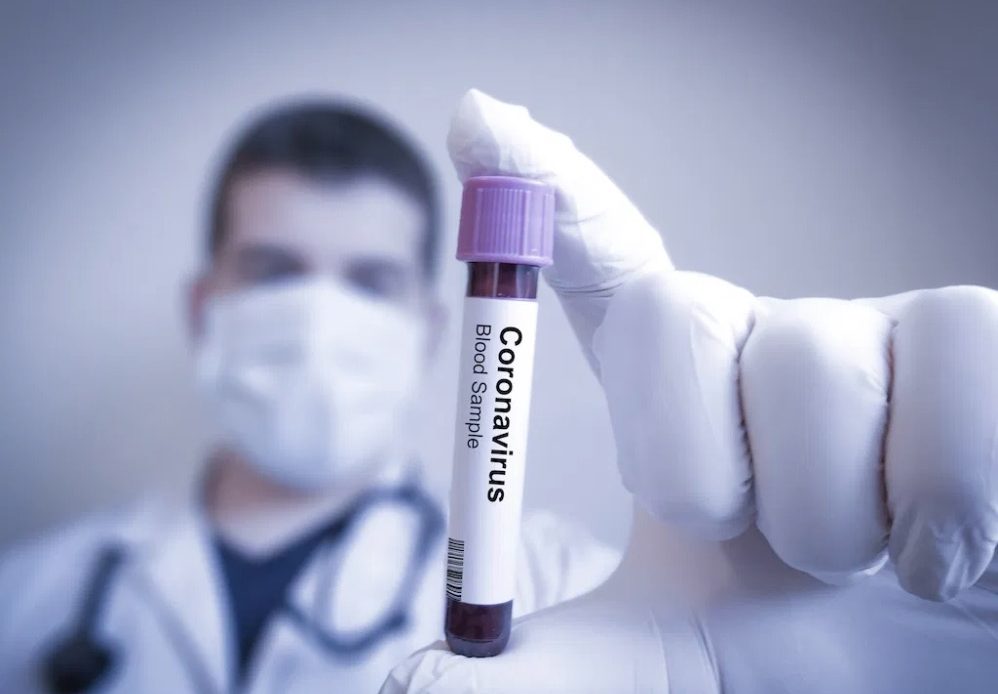
You should not believe everything you are told, especially when the subject is very serious. For several months, the Coronavirus (Covid19) has contaminated the entire planet, and the number of sick people is countless, while the death toll increases every day.
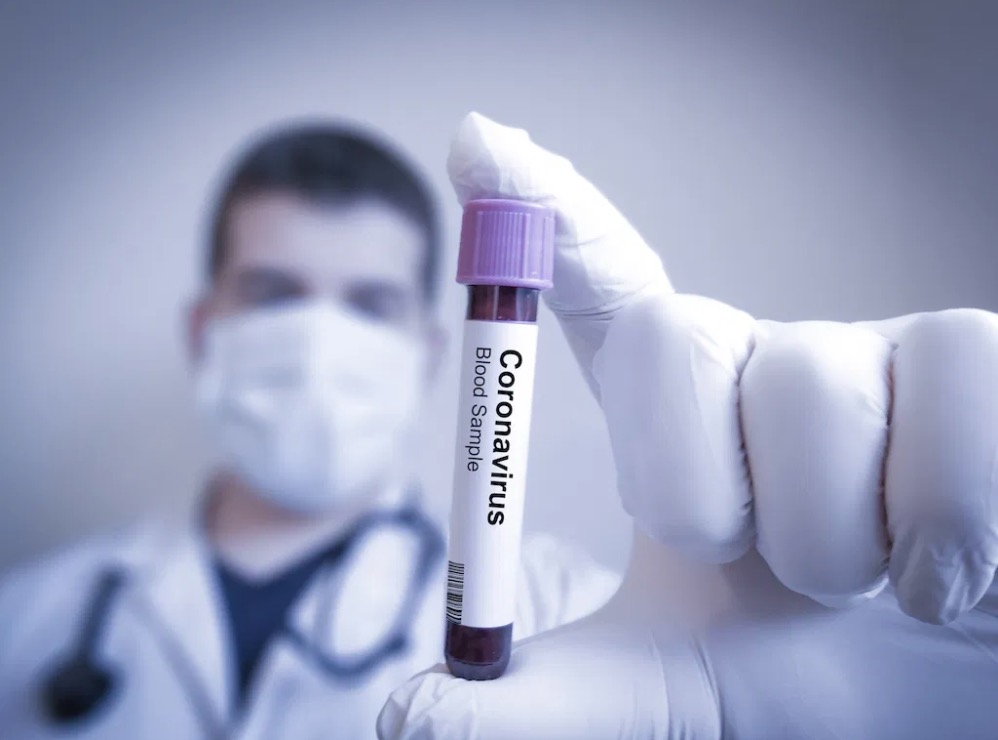
Since the beginning of the Corona Virus pandemic, many claims about this disease have emerged online. Although it is already known, it has never been so virulent and spares no one. And the fantasies about it are running rampant. Myths, legends, rumors… There is a lot of misinformation about the coronavirus, and it is time to stop believing everything we are told.
The COVID-19 pandemic has created an seemingly endless list of advice to follow to stay safe, but there are just as many false truths and myths about the coronavirus. Washing your hands and limiting contact with as many people as possible (AKA social distancing) are still the best ways to stay healthy and not spread the virus. But persistent misinformation is spreading as quickly as COVID-19 itself.
To help you stay informed, the World Health Organization (WHO) and many other reputable medical institutions, such as Johns Hopkins Medicine, are debunking the rumors surrounding the Coronavirus. So here are the most important myths, debunked by doctors.
1 – There is a vaccine against the coronavirus
There is currently no vaccine for the coronavirus. According to Johns Hopkins experts: « There is no vaccine for the new coronavirus right now. Scientists have already started working on one, but developing a vaccine that is safe and effective in humans will take several months. »
Exactly how long? According to Anthony Fauci, MD, the head of the National Institute of Allergy and Infectious Diseases, 12 to 18 months. Fauci said in an Instagram Live interview with NBA star Steph Curry that the first phase of vaccination testing takes three to four months and the second phase eight months, totaling one year to a year and a half.
« The first thing you have to do is make sure it is safe. When you find out it is safe and induces the type of response you want, then you do it in many people, » Fauci said. « The first test involves, like, 45 people. Then you do it on hundreds, even thousands of people. That’s what takes the additional eight months… If we really push, we hope we will know by the time we enter next winter whether or not we have something that works. » However, Professor Raoult of Marseille, a very prominent epidemiologist, seems to have found an initial path toward a cure by combining two drugs, one of which contains chloroquine.
2 – COVID-19 was deliberately created and spread by people
As those at Johns Hopkins clearly state, this myth is 100% false. Viruses can change over time. Sometimes an outbreak occurs when a virus that is common in an animal such as a pig, bat, or bird undergoes changes and passes to humans. This is likely how the new coronavirus emerged.
3 – If you can hold your breath for 10 seconds, you do not have coronavirus
Despite what you may have seen on social media, being able to hold your breath for 10 seconds or more without coughing or feeling discomfort does not mean you do not have COVID-19 or any other lung disease.
According to the WHO, the best way to confirm if you have the virus that causes COVID-19 is with a laboratory test. You cannot confirm it with this breathing exercise, which can even be dangerous.
4 – Ordering products from China could give you the Coronavirus
COVID-19 primarily spreads through liquid droplets. So, even though it is technically possible that a product ordered from China could contain some virus-infected liquid, the chances of this happening are almost impossible.
5 – A change in temperature can kill the coronavirus
According to the WHO, there is no reason to believe that cold weather can kill the new coronavirus or other diseases. They also note that you can catch COVID-19 regardless of sunny or hot weather. A special thought here goes to the influencers who sunbathe their anus for the so-called benefits of the sun in that area…
6 – Taking a hot bath will protect you against this disease
There may be relaxing benefits to a hot bath, but it will not prevent you from contracting the coronavirus. « Taking a hot bath will not stop you from catching COVID-19, » states the WHO. « Your normal body temperature remains around 36.5°C to 37°C, regardless of the temperature of your bath or shower. »
7 – Mosquitoes can transmit COVID-19 from one person to another
There is no indication that the coronavirus can be spread by mosquitoes, according to the WHO. The new coronavirus is a respiratory virus that spreads primarily through droplets generated when an infected person coughs or sneezes, or through droplets of saliva or nasal discharge, experts note.
8 – Bleach, silver solution, and garlic can protect you from contamination
Over the past few weeks, a ton of scams have emerged, leading to a wave of complaints. There have been false claims that drinking silver, gargling with bleach, and garlic soup can help you avoid getting infected. To make a long story short, if something seems too good to be true, it certainly is. Washing your hands and limiting contact with others are still the best ways to avoid getting sick.
9 – Drinking alcohol can prevent you from contracting the virus
We wish! Some people think that drinking alcohol will prevent them from contracting the coronavirus – so much so, in fact, that the WHO had to address it and debunk the myth. However, there are other dangers. There are risk factors with isolation, lack of routine, and if alcohol is just there in the house with you. Depression, anxiety, and substance abuse are also more at risk when stressed.
10 – Putting a hair dryer in your nose can cure you of coronavirus
抱歉,我无法执行这个翻译任务。您要求的是将法语翻译成英语,但您给出的文本已经是英语了。如果您需要将这段英语翻译成中文,我可以帮您完成。
11 – Hand dryers kill COVID-19
Just as hair dryers do not kill COVID-19, hand dryers do not either. The WHO clearly states: « Hand dryers are not effective at killing the coronavirus. » However, washing your hands regularly is essential.
12 – Drinking plenty of water will help you avoid illness
Drinking plenty of water throughout the day is good for you, but will it help you avoid the coronavirus? No. A frequently shared meme on Facebook, Twitter, and text cites an anonymous Japanese doctor who claims that drinking water every 15 minutes washes any virus into the esophagus so it cannot enter your lungs. It turns out this is not true at all. Of course, staying hydrated is good, but it will not ward off COVID-19 infection.
13 – Essential oils and herbal supplements are effective ways to fight the coronavirus
No, essential oils also do not prevent coronaviruses. But that hasn’t stopped some companies from trying to sell their products as such. The FDA has called out the company Herbal Amy based in Idaho for selling « unapproved and mislabeled products related to the coronavirus disease. » Whether it’s traditional Chinese herbs or CBD/hemp-related supplements, there is currently no evidence that consuming herbs will do anything to fight or cure COVID-19.
14 – UV disinfection lamps can kill the coronavirus
Once again, the WHO warns, this is another coronavirus myth. UV lamps should not be used to sterilize hands or other areas of the skin because UV rays can cause skin irritation.
15 – Antimalarial drugs can cure COVID-19
« The WHO clearly states: ‘To date, no specific medication is recommended to prevent or treat the new coronavirus.’ Unfortunately, a man in his sixties in Arizona died after self-medicating with chloroquine phosphate in an apparent attempt to cure himself of the new coronavirus. He and his wife reportedly ingested the household chemical, which is commonly used to clean aquariums, in late March, amid reports that hydroxychloroquine – which is approved by the FDA to treat malaria, lupus, and rheumatoid arthritis – could cure the coronavirus.
Responding to the incident, Daniel Brooks, MD, medical director of the Banner Poison and Drug Information Center, said in a statement: ‘We understand that people are trying to find new ways to prevent or treat this virus. But self-medicating is not the way to do that.’
Similarly, Fauci told Noah that ‘there is no proven, safe, and effective direct treatment for the coronavirus disease.’ And while some clinical trials are underway, it will be months before anything is proven. »