


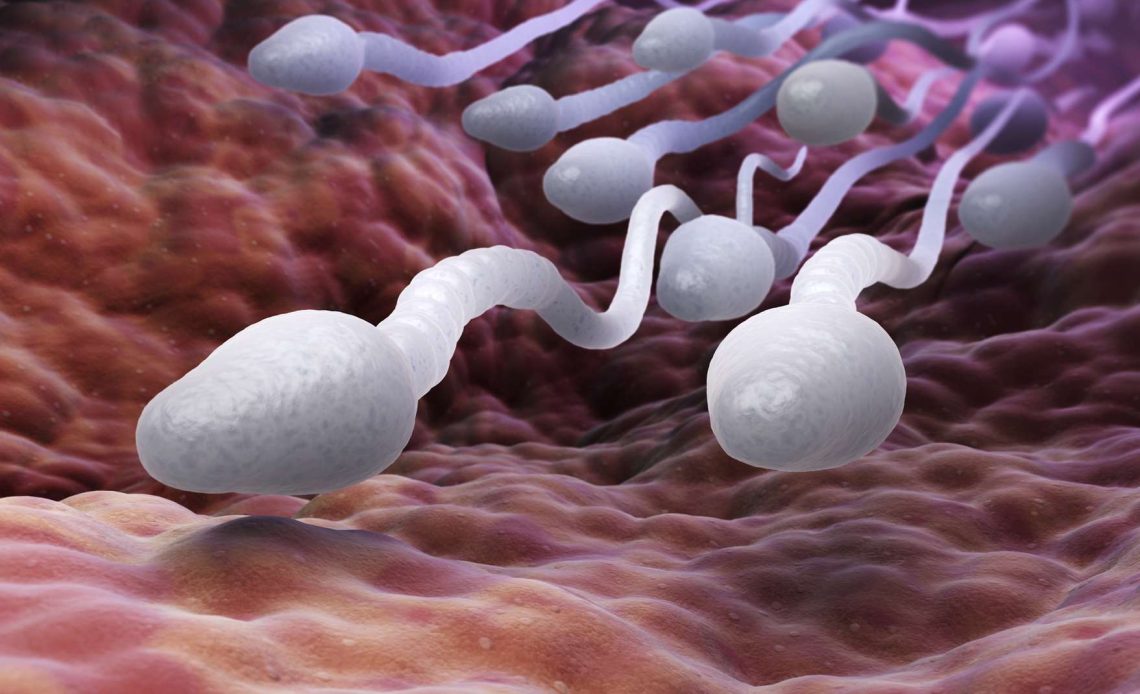
For several years, the decline in the quality ofspermBut no clear reasons have been confirmed. However, it appears from one study that chemical pollutants are no strangers.
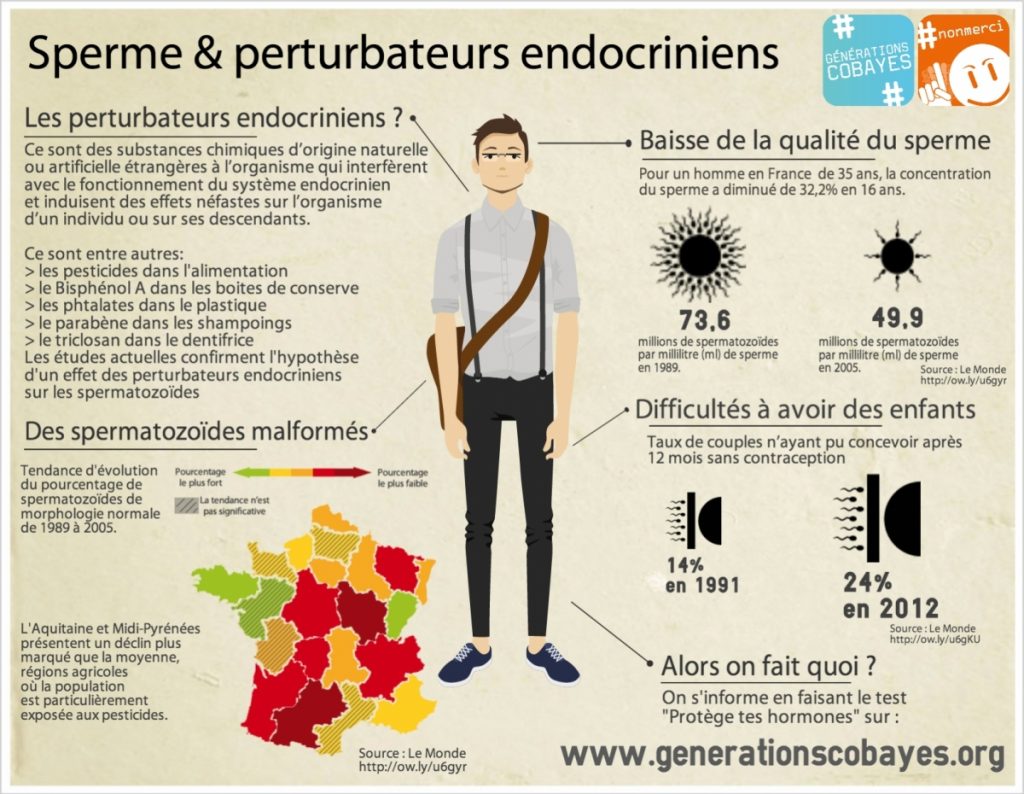
This track has been considered many times, and has just been confirmed by two researchers from Brunel University in London and the University of Copenhagen. Among the pollutants found in the deterioration of human sperm quality are bisphenols or parabens, which are already harmful individually but have a tenfold effect when combined.
9 responsible chemicals
On 9 June, in the journal Environnement International, the study evaluated nine chemicals jointly controlled in urine samples of 98 young Danish men . Among the most harmful are bisphenols (A,F,S) found in certain electronic equipment, food packaging or varnishes or paints; phthalates in food packaging or household products; butylparabens in some cosmetics; and finally paracetamol.
And the findings are far from reassuring, because the safety thresholds that would prevent sperm deterioration have been exceeded, and by far, in some highly exposed patients. A median level of almost 20 times the risk threshold has been found in their bodies. For some, it even rises to 100. That is, bisphenol A makes a very strong contribution, but its elimination will not reduce the combined exposures to acceptable levels, says the study.


Explosive mixture
But the study does not stop there. It adds to the chemical pollutants polychlorinated dioxins, which are usually found in soils, but also in fatty foods of animal origin, through the food chain. They are the main actors in the destruction of sperm quality and the increase in the risk of cancer.
You might have thought that phthalates were an important factor, but their effect here is smaller , points out Professor Robert Barouki, a researcher in environmental toxicology at the University of Copenhagen. Release, who also finds it interesting to know which substances have the greatest contribution to the cocktail effect .
Pregnancy is a time when cells specialize and tissues form, making the woman and the fetus particularly vulnerable to environmental factors , said Professor Barouki at a press conference on 2 June.