




As in the case of theChlamydiaAlthough gonorrhoea or blennorrhea does not have any symptoms, it may need to be treated and there is a risk of further problems if you do not take care of them.

Gonorrhea is a very common sexually transmitted infection, especially among teenagers and people in their twenties.
What is gonorrhea?
Gonorrhea is a common bacterial infection that is easily cured with antibiotic medication. It is sexually transmitted and most people with gonorrhea have no symptoms.
How do you get the gonorrhea?
The gonorrhea isusually caused by unprotected sexual intercourseThe disease is spread when semen (sperm), pre-sperm and vaginal secretions enter or enter the genitals, anus or mouth.can be transmitted even if the penis does not go completely into the vagina or anus.
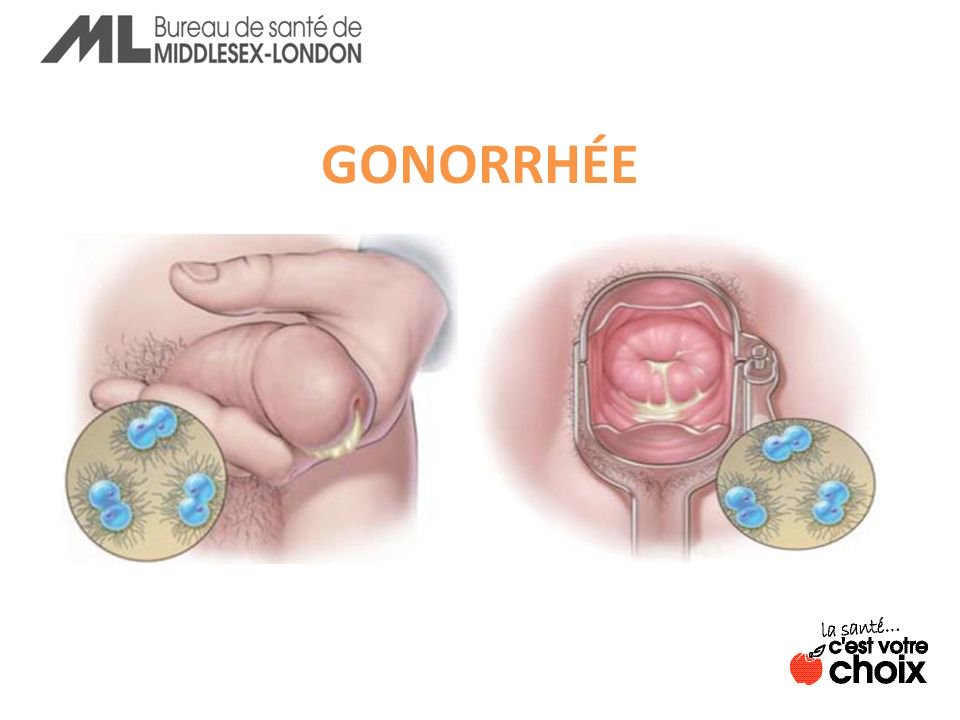
Gonorrhea is mainly manifested by vaginal, anal or oral sex. You can also get gonorrhea by touching your eyes if you have infected fluids in your hand. Gonorrhea can also be transmitted to a baby during childbirth if the mother has it.
Gonorrhea is not transmitted by casual contact, so you cannot get it by sharing food or drink, kissing, hugging, holding hands, coughing, sneezing or sitting on the toilet seat.
De A lot of people with gonorrhea don’t have any symptoms.Using condoms and/or dental dams at every sexual intercourse is therefore the best way to prevent gonorrhea, even if you and your partner appear to be perfectly healthy.
Symptoms of gonorrhea
Most people with gonorrhea in the vagina have no symptoms. If so, gonorrhea symptoms appear about a week after infection. These include:
- Pain or burning sensation when urinating
- Abnormal vaginal discharge which may be yellowish or bloody
- Bleeding between periods
People with a penis are more likely to have symptoms if they develop gonorrhea.Symptoms usually begin within a week of infection.These include:
- Yellow, white or green discharge from your penis
- Pain or burning sensation when urinating
- Testicular pain or swelling
Gonorrhea can also infect your anus if you have anal sex, or you can pass the infection to your anus from another part of your body (such as by wiping when you go to the toilet).
- Itching in or around your anus
- Discharge from your anus
- Pain when you poop
Gonorrhea infections in the throat also rarely cause symptoms.

It is especially important to check if you are pregnant.The only way to know for sure if you have gonorrhea is to get tested.
How do we treat her ?
Gonorrhea is usuallyvery easy to eliminate.Your nurse or doctor will prescribe antibiotics to treat the infection.Some strains of gonorrhea are resistant to antibiotics and are difficult to treat, so your doctor may give you antibiotics.two antibioticsSometimes you only need to take one tablet.taken for 7 days.Your doctor will help you determine which treatment is best for you.
If you are being treated for gonorrhea, it is very important that yourSexual partners are also treated.Otherwise, you may spread the infection to other people. Sometimes your doctor will give you medicines for you and your partner.
What if you don’t get treatment for gonorrhea?
Although gonorrhea is common and does not always cause symptoms, it can become a problem if left untreated.
Gonorrhea can spread to the uterus and fallopian tubes, causing pelvic inflammatory disease (PID). PIDs may have no symptoms at first, but can cause permanent damage that can lead to chronic pain, infertility, or ectopic pregnancy. Getting tested for gonorrhea really reduces your chances of getting PID.
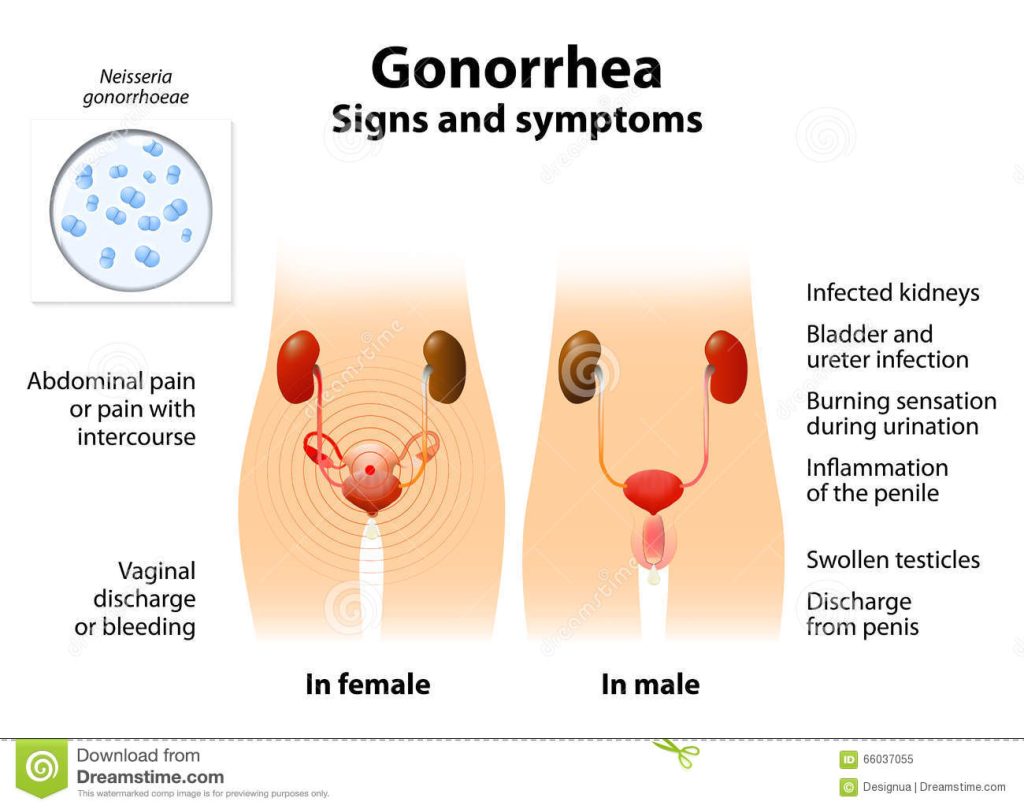
If you have a penis, an untreated gonorrhea infection can spread to your epididymis (a tube that carries sperm from the testicles) and cause pain in the testicles, which can rarely make you infertile.
Gonorrhoea also increases the risk of contracting or transmitting HIV, the virus that causes gonorrhea.AidsIn rare cases, untreated gonorrhea can spread to your blood, skin, heart or joints and lead to serious health problems or even death.
If you have gonorrhea while pregnant and you do not treat it, it can be passed on to your baby during childbirth.This can lead to problems for the baby, including blindness, joint infections or blood infections that can be fatal.
The best way to avoid all these problems is to get tested and treated early.