



Although it is one of the most common infections, it needs to be treated as soon as possible.

What is chlamydia?
Chlamydia is one of thebacterial infection easy to cureIt is one of the most common STDs and most people with chlamydia do not have any symptoms, such asBlenorrhea.
Chlamydia is really common.
Chlamydia is a very common bacterial infection that you cancontracting through sexual contactEvery year, nearly 3 million Americans suffer from it, mostly between the ages of 14 and 24.
The disease is transmitted by thevaginal, anal and oral sexInfection is transmitted through sperm, pre-cum and vaginal fluids. It can infect the penis, vagina, cervix, anus, urethra, eyes and throat. Most people with chlamydia have no symptoms and feel perfectly fine. Therefore, they may not even know they are infected.
It can beeasily cleaned with antibioticsBut if you don’t treat it, it could lead to serious health problems in the future. That’s why STD screening is so important: the sooner you know you have chlamydia, the sooner you can cure it. You can prevent it by using condoms every time you have sex.
How do we catch him ?
Chlamydia is usually transmitted through sexual contact with an infected person. It can occur even if no one is enjoying it. It is mainly caused by vaginal and anal sex, but it can also be transmitted orally.
Rarely, you can get chlamydia by touching your eyes if you have infected fluid in your hand. chlamydia can also be transmitted to a baby during childbirth if the mother has it.
Chlamydia is not transmitted by casual contact, so you cannot contract it by sharing food or drink, kissing, hugging, holding hands, coughing, sneezing or sitting on the toilet.
Using condoms and/or dental dams at every sexual intercourse is the best way to prevent it.
Signs of chlamydia
In most cases, you will not see any signs of chlamydia, but if you have symptoms of chlamydia, they may continue for several weeks after the onset of infection.
- pain or burning sensation when peeing
- pain during sexual intercourse
- a pain in the lower abdomen
- abnormal vaginal discharge (may be yellowish and have a strong odor)
- bleeding between periods
- pus or watery / milky discharge from the penis
- swollen or painful testicles
- pain, discharge and/ or bleeding around the anus
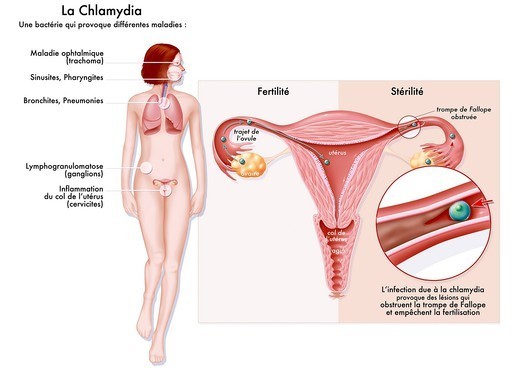

If chlamydia infects your eyes, you may experience redness, itching, or discharge. Sometimes chlamydia infections in the throat are painful, but they are rare.
If you or your partner have any of these symptoms, see a nurse, doctor or your local family planning health centre.
Remember that most people have no symptoms when they have chlamydia, so the only way to know for sure if you have it is to get tested.
How can I get treatment for chlamydia?
Chlamydia can be easily treated with antibiotics. Your sexual partners also need treatment. If you don’t treat it, it can lead to serious problems.
What’s the treatment?
Chlamydia is usually easy to get rid of. Your nurse or doctor will prescribe antibiotics to treat the infection. Sometimes you only need to take one dose of the medicine. Another treatment for chlamydia lasts for 7 days. Your doctor will help you determine which treatment is best for you.

If you are being treated for chlamydia, it is very important that your sexual partners are also treated, otherwise you may continue to spread the infection to others.
What do I need to know if I’m being treated for chlamydia?
If you are treated:
- Take all your medicines as your doctor has told you, even if the symptoms go away sooner. The infection remains in your body until the antibiotics are over.
- Your partner (s) should also be treated for chlamydia so that they do not re-infect each other or anyone else.
- Do not have sex for 7 days. If you are taking only one dose of medication, wait 7 days after taking it before having sex. If you are taking medication for 7 days, avoid having sex until you have finished taking all your pills.
- Get tested again in three to four months to make sure your infection is gone.
- Do not share your medicines with anyone. Your doctor may give you a separate dose of antibiotics to your partner. Make sure you take all the medicines you are given.
- Even if you have finished your treatment and the chlamydia has completely disappeared, it is possible to get a new chlamydia infection if you are exposed in the future. chlamydia is not an isolated case, so use condoms and get tested regularly.
What happens if you don’t get treatment?
Although it is common and does not always cause symptoms, it can become a problem if not detected and treated at an early stage.
Chlamydia can spread to the uterus and fallopian tubes, causing pelvic inflammatory disease (PID). PIDs may have no symptoms at first, but there may be permanent damage leading to pain, infertility, or ectopic pregnancy.
If you have a penis, chlamydia infection can spread to your epididymis (a tube that carries sperm from the testicles) and can cause chronic joint pain, which can rarely make you infertile.
Having it can increase your risk of contracting or transmitting HIV, the virus that causes AIDS.
If you do not get chlamydia during pregnancy, you can pass it on to your baby at birth. It can cause eye infections and pneumonia in newborns. It also increases the risk of premature birth. Testing and treatment for chlamydia is quick, easy and the best way to avoid all these problems.