




Afraid of snakes? Clowns? Empty spaces? Fine. But imagine that at the mere sight — or even the thought — of an erect penis, your heart races, your palms get sweaty and your instinct screams RUN! ».

Welcome to the unknown and strange but very real world of ithyphallophobia, the fear of sex in erection. Yes, it exists. And no, its not a joke taken from a Florence Foresti sketch.
What is it hyphallophobia?
The word comes from the Greek ithys ( straight ») and phallos ( phallus ») — so far, so good — combined with phobos, fear.
Ithyphallophobia is therefore literally the irrational fear of an erect penis. This phobia affects both women and men.
For some, its the sight (or even just the mention) of erect genitalia that triggers immediate anxiety; for others, its the contact or the idea of sexual intercourse.
Reactions can range from nervous tension to panic attacks. Palpitations, cold sweats, nausea, trembling, feelings of disgust or oppression: the body reacts as if facing imminent danger.
In short, for those who suffer from it, its not a laughing matter, but a real psychological suffering, often very isolating.
But… how does one get there? »
Most of the time, this fear doesnt come from nowhere.
It finds its roots in:
- A sexual trauma, often in childhood: molestation, assault, exhibitionism… An erect penis seen too early, in a violent or shameful context, can become an image engraved in the brain, associated with fear and disgust.
- A guilt-trip education: some cultures or religions still associate sexuality with sin, dirtiness or shame. The child grows up with the idea that a desirable body is a bad » body.
- Family or social taboos: people dont talk about desire, let alone pleasure. Result: when it emerges, its a red alert.
- In some men, repressed homosexuality or fear of their own desire can also cause this phobia.
- In women, its often coupled with genophobia (fear of the sexual act) or vaginismus (involuntary contraction of the vagina making penetration painful).
And to make matters worse, society continues to maintain an image of the performing » and dominant » male sex. Enough to accentuate the feeling of threat rather than attraction.
When the body says no »
Phobia is not just a mental phenomenon: it becomes physical.
In women, this can translate into physical pain, a total blockage or inability to let go.
In men, it can cause avoidance of intimacy, even a secondary erectile dysfunction — the anxiety about erection ending up… preventing erection. Ironic, isnt it?
This fear can insinuate itself everywhere: in love life, self-confidence, body image, the ability to desire.
Ithyphallophobia is a bit like having a fire alarm that triggers… at every birthday candle.

Photo Cottonbro
How to get out of it?
Good news: you can treat this phobia. And contrary to what some think, its not about forcing your way through, » but about taming desire step by step.
The most effective approaches combine:
🔹 Cognitive behavioral therapy (CBT)
It helps to deconstruct irrational thoughts ( sex is dangerous », Ill be attacked », Im losing control ») and replace them with healthier beliefs.
Gradually, the person is exposed to situations related to sexuality (through conversation, imagination, then real situations), always at their own pace.
🔹 EMDR or hypnosis
Very useful in case of sexual trauma. These methods allow to desensitize the traumatic memory and reduce its emotional impact.
🔹 Sex therapy or couples therapy
It reintroduces the notion of pleasure without performance.
We relearn contact, tenderness, non-sexual caresses… in short, everything that allows us to rediscover a gentle and secure physical relationship.
🔹 Relaxation, mindfulness, breathing
Anxiety often nests in the body. Regaining awareness of your sensations, learning to relax and breathe allows you to take control before fear gets out of hand.
And if all this seems too serious », lets not forget that you can also heal by laughing.
Humor, well balanced, defuses tension. Because a penis, after all, is just a piece of flesh with a practical and symbolic function. Neither a monster nor a threat.
And what about genophobia?
Direct cousin of ityphallophobia, genophobia refers to the fear of the sexual act itself, especially penetration. It concerns women more often, but not exclusively.
The causes: same ingredients — traumas, guilt-trip education, generalized anxiety, performance pressure or fear of judgment.
Therapy, here too, is based on psychocorporeal work: understand, reassure, defuse.
And, with the right support, rediscover a chosen, free and peaceful sexuality.
Did you know? » — Other phobias of pleasure
Because when it comes to sex, the human imagination has no limits (even on the fears side), here are some sometimes surprising phobias:
- Genophobia: fear of the sexual act, especially penetration.
- Erotophobia: fear or rejection of any form of excitement or erotic content.
- Aphrophobia: fear of physical contact or nudity.
- Gymnophobia: fear of being naked or seeing someone naked (bad plan for steam baths).
- Phallophobia: fear of the penis (even non-erect).
- Agrexophobia: fear of being heard during sexual intercourse (hello thin-wall stress).
- Medorthophobia: variant of ityphallophobia, fear of the penis straight as an I ».
The moral?
The body is not an enemy, sexuality is not either.
But like any intimate terrain, it needs safety, trust and respect to flourish.
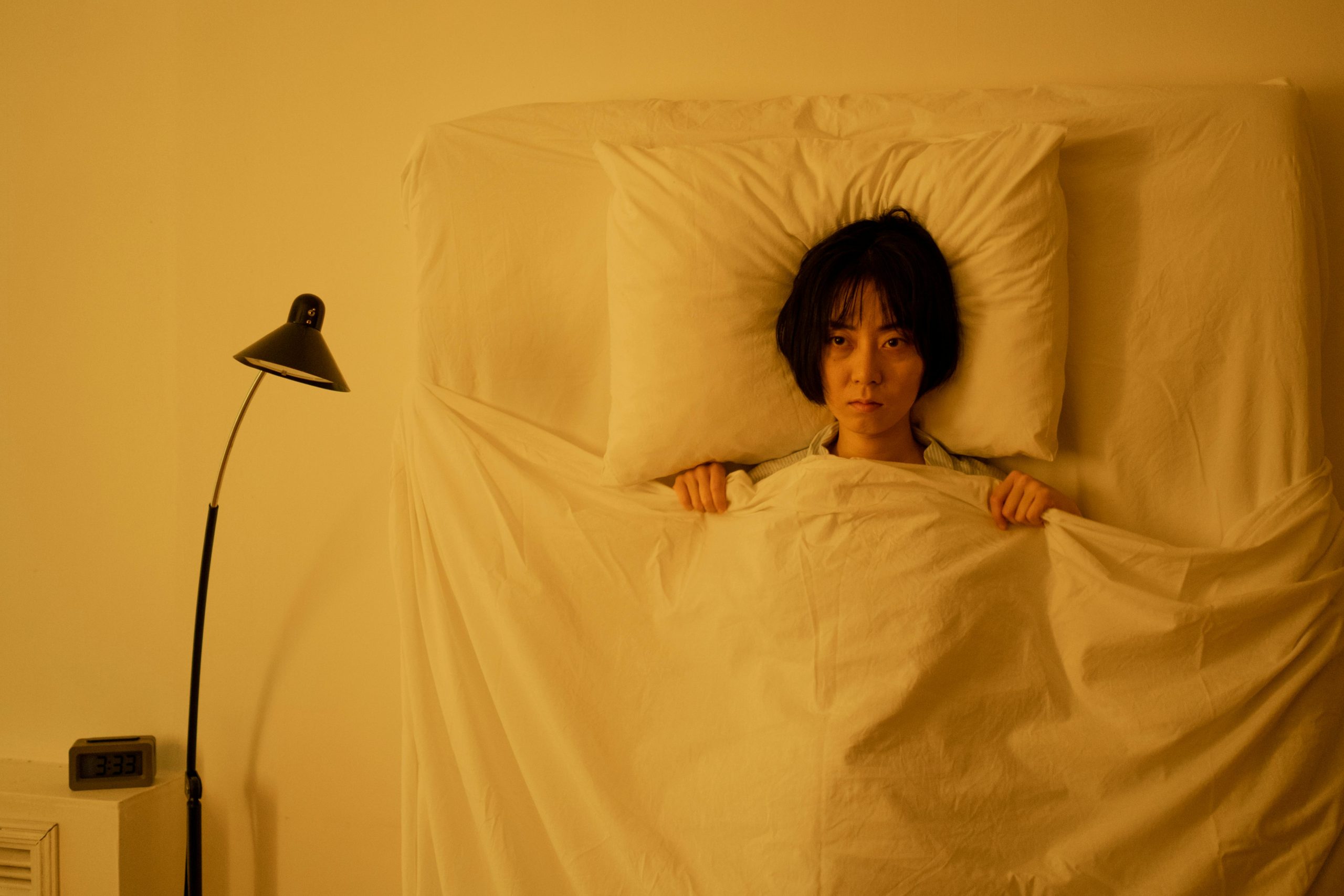
Photo Cottonbro
Final word
Ithyphallophobia, like all sexual phobias, is not a quirk.
Its an anxiety disorder that can be treated, provided its taken seriously — without shame, without judgment.
Talking, consulting, laughing a little at yourself, taking back control of your body: thats the real cure.
And then, between us, if sex has a power, its not the power to frighten.
Its the power to connect, to reassure, and sometimes… to heal.
XLoveCam is not responsible for the content of the blog which is declared to be written by an external party.