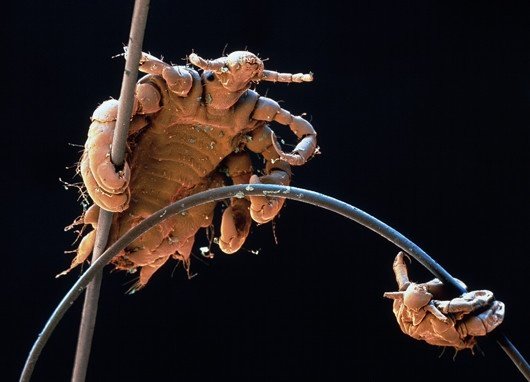




Pubic lice, also known as crabs or morpions, are small parasites that attach themselves to the skin and hair near the genitals.[1] Crabs are not dangerous, and they are usually fairly easy to eliminate.
Crabs are usually sexually transmitted, as they like to live in the pubic hair. Pubic lice easily move from one person’s hair to another’s when their genitals touch or are very close to each other.p50% of people don’t change their underwear every day,They like places that are neglected, but they also like places that are clean.
Pubic lice are super common.
Millions of people are infected with pubic lice every year, these tiny insects that look like tiny versions of the crabs you see on the beach, and they live on the hard skin and hairs that you see on the beach.They’re around your genitals and they’re feeding on your blood.Measles spreads very easily during sexual contact.
Symptoms include:It was a pretty intense itch.But although pubic lice can be uncomfortable, they do not cause serious health problems and are usually easy to get rid of with over-the-counter medicines.
Catching pubic lice doesn’t mean you’re dirty, it has nothing to do with hygiene or cleanliness. Anyone can catch lice if they have close, personal contact with someone who has pubic lice. Every year, about 3 million people in the United States catch pubic lice.
How do you catch pubic lice?
Most people catch crabs during sex, but sometimes they’re spread through other types of close, personal contact.eyelashes, eyebrows, chest hair, underarms, beard and mustacheSometimes they can be spread through the use of clothing, towels or the bed of an infected person.

Crabs don’t spread through quick, casual contact, like handshakes or hugs, and it’s really very rare to get morphs in a toilet seat — they don’t live very long when they’re away from a human body, and they can’t hang on to smooth surfaces.
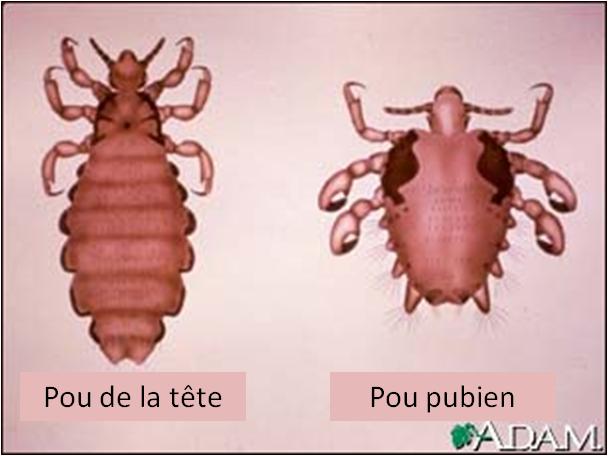
Even though crabs are in their hair, they generally don’t like the hair hanging over their heads.Pubic lice are different from head lice.They’re not usually present in the pubic region.
Symptoms of our friends the sick
Symptoms of pubic lice usually begin about 5 days after they appear.Some people never have symptoms or think they are caused by something else (such as a rash).
The most common symptom of pubic lice is intense itching in the pubic region.itching and irritationThey’re caused by your body’s reaction to measles bites.
Symptoms of pubic lice include:
- A lot of itching in your genital area.
- Super-small insects in your pubic hair. You can usually see pubic lice if you look closely, or you may need to use a magnifying glass. Pubic lice are beige or whitish and look like tiny crabs. They get darker when they’re full of blood.
- Crab eggs (lentils) on the underside of your pubic hair. The lentils are very small and can be difficult to see. They are oval and yellow, white or nutty. The lentils usually come in tufts.
- Dark or bluish spots on the skin where pubic lice live – these spots come from crab bites.
- Fever, fatigue or irritability.

Morpions usually lurk in the pubic hair around the genitals, which explains why it’s easy to extract them from the sex. But crabs can sometimes be found in other types of coarse hair, such as eyelashes, eyebrows, chest hair, underarms, beard, or moustaches. It’s really very rare to catch pubic lice in the hair above your head.
What’s the treatment for pubic lice?
Pubic lice treatments are easy to use and come in the form ofgels, shampoos, liquids and foamsMost are sold over-the-counter in pharmacies, so you can buy them.without a prescriptionFollow the instructions on the package carefully You may need to use the treatment several times.
You can getmore potent medicines with a prescriptionIf you have lice in your eyebrows or eyelashes, you need special treatment which can only be obtained from your doctor.
Always use freshly washed clothes, towels and bedding after treatment.
Home remedies such as hot baths or shaving do not work. Treatments that relieve itching (such as hydrocortisone cream) may help you feel better, but they do not cure your pubic lice.
What do I have to do to get rid of the bugs?
Even after the treatment is over, most of the lice eggs will stick to your hair, and you can remove them with your fingernails or a fine comb.
In addition to taking medication, wash or dry all your bedding and towels, wash or dry any clothing that you wore when you were wearing a mop, wash those cloths on the hottest setting, and dry them in a hot cycle for at least 20 minutes.
You can put unwashable fabrics in a sealed bag for 2 weeks, until the crabs and their eggs die. You can also vacuum carpets and furniture. You don’t need to call an exterminator or smoke your house.
Tell your sexual partners and anyone else you’ve had intimate contact with in the past month that they may have measles. You should all treat each other at the same time so you don’t re-infect each other. And don’t have sex or any other type of intimate contact until everyone has finished their treatment and knows their adverse effects are gone for good. It’s also a good idea to get tested for other STDs.
If you still see live lice after 9 to 10 days, start the treatment again, and make sure you’ve thoroughly washed everything you need and that your sexual partners have also followed the treatment, and if the crabs still don’t go away, talk to your doctor.