



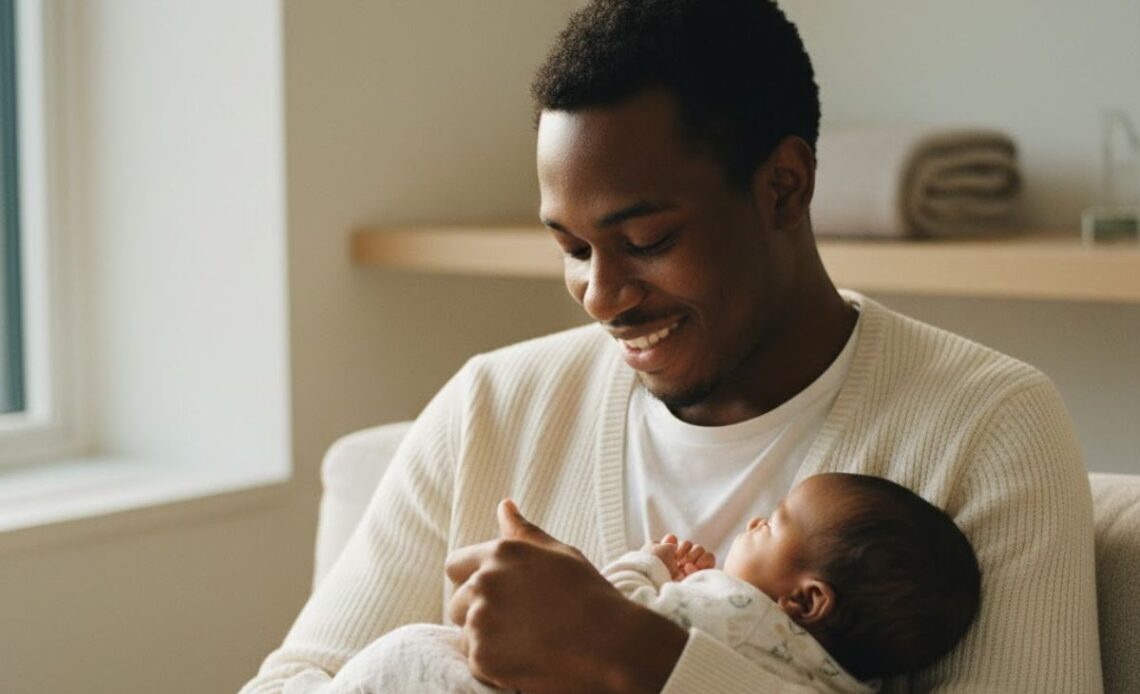
Masculinity does not have the same meaning in all regions of the world. On a continent like Africa, masculinity is quite complex. In this part of the world, it represents a kaleidoscope of practices. These codifications are social, cultural and economic. It would therefore be wrong to suggest that there is just one type of “African man”. On the other hand, it is an established fact that they differ according to the region from which they originate. For example, the codes of the Maghreb are different from those of West Africa. They also differ from those of southern Africa.
The key question is: what traditional values characterize the African man? Better still, how do urban and global pressures impact on them? This article will first shed light on traditional foundations. Then, it will analyze societal roles, and finally, it will explain the mutations of contemporary masculinity.
The traditional pillars of masculinity
Masculine identities rest on ancient cultural foundations. They are often linked to community roles.
The role of provider and protector
In African tradition, men are expected to meet the subsistence needs of their clan. He isalso expected toprovide greater support to his extended family. In other words, his responsibilities are not limited to his nuclear household. He must also assist other relatives, near and far. This is what his honor is all about, his ability to give and protect. In this way, status is earned through economic success.
The importance of lineage and transmission
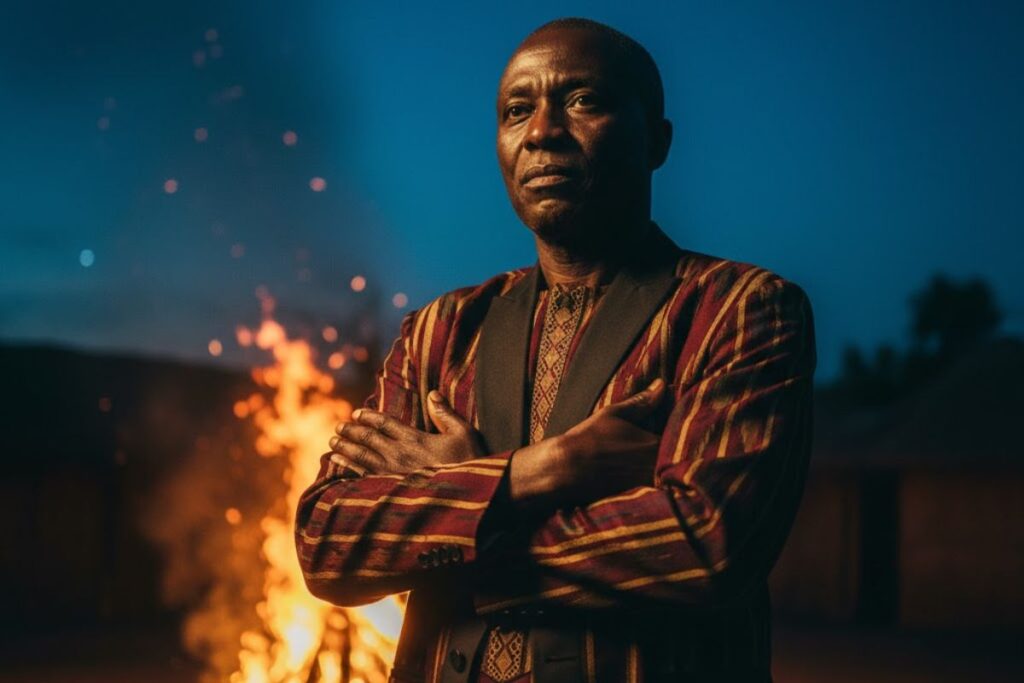
In many parts of Africa, we pass from adolescence to adulthood through initiation rites. These practices are difficult to define, but above all demanding. Yet they are a sign of a change in social status. Men are the guarantors of tradition. Consequently, he must pass on the cultural heritage and ancestral knowledge. He becomes the moral leader of his lineage.
Self-control and absence of emotion
Certain codes emphasize emotional stoicism. Silence is often seen as a sign of strength. It is also a mark of maturity. In public, a man must project stability. He does not show his fears or vulnerability. This facade is necessary to exercise authority.
Societal roles and interpersonal relations
Masculine codes govern behavior in relationships and power.
Authority and power in the public space
The man is the decider. He is the cornerstone of community decision-making. Thus, the model that most often dominates is patriarchy. However, there are exceptions. There are social structures that put women first. They thus nuance the gender hierarchy.
Polygamy and couple relationships
In many regions, polygamy still exists. This is not a purely personal choice. It is a marker of social and economic status. Indeed, living in several households is a sign of success. Today, these traditional arrangements are confronted by modern relationships. The nuclear model is gaining ground in many regions.
Male friendships and fraternity
Support is not just family-based. Male networks are predominant. Peer groups provide emotional support and a safety net. Whether it’s a neighborhood association or a childhood group, the network is essential to a man’s identity.
Mutations and contemporary masculinities
The continent is undergoing a rapid metamorphosis. Ancestral codifications are being marginalized in the wake of globalization.
The impact of urbanization and migration
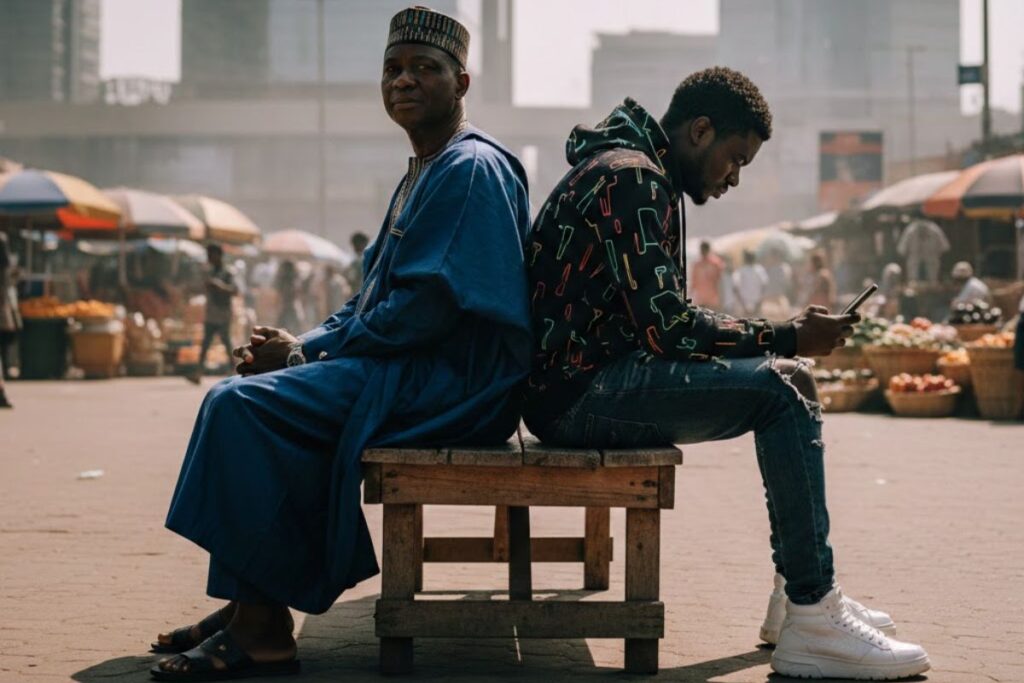
Living in urban areas has played a major role in changing roles. In concrete terms, unemployment jeopardizes the status of provider. Individualism is taking hold in large metropolises. As a result, urban masculinity is on the rise. It’s evolving more into individualism, and sometimes, it’s also experiencing an identity crisis. The traditional model is no longer viable.
The emergence of new sensibilities
The new generations of young people are well educated. They are also influenced by the international media. They are increasingly questioning the old model of African society. As a result, a new form of masculinity is emerging. It offers a more attentive ear to questions of equality. In fact, many men want to take part in several domestic tasks, for example. What’s more, they have little difficulty in expressing their vulnerabilities.
Non-hegemonic masculinities
Certain orientations run counter to the dominant norm. Queer identities and homosexuality are obvious examples. Such minorities challenge the single model of man. They suffer de facto increased repression in many contexts. Their cohabitation with other identities nevertheless proves that masculinity is diverse.
In short, African masculinity is a mosaic in constant negotiation. It attempts to reconcile a demanding past with an uncertain future. That said, the future of masculine identity will no longer depend on domination alone. Rather, it will be based on a redefinition of responsibility. It will have to integrate notions of equality and vulnerability. The African man of tomorrow will be someone who knows how to combine tradition and openness.