




French cinema has just experienced a major artistic earthquake with the release of a work that overturns all certainties. Get ready to immerse yourself in a story of rare emotional power, where survival becomes an art of living. Find out why this feature film has become the number one topic of conversation at all the film festivals.
A deeply moving work of profound mourning and rebirth
The film Kika, directed by the talented Alexe Poukine, takes us into the intimate world of a woman stricken by fate. Kika, a social worker by profession, suddenly loses her partner when she discovers she’s pregnant. She’s left with an immense emptiness, a broken heart and a desperately empty bank account.
This extremely precarious situation forces the heroine to make radical choices to avoid sinking. She prioritizes with an almost frightening lucidity: find money and get out of the rut. This is the starting point for a totally unpredictable, off-the-beaten-track ascent into the light.
The screenplay, co-written with Thomas Van Zuylen, carefully avoids the pitfalls of maudlin melodrama in favor of action. Each stage of Kika’s reconstruction is filmed with a surgical precision that compels admiration. The viewer witnesses a metamorphosis of identity that questions our own moral limits.
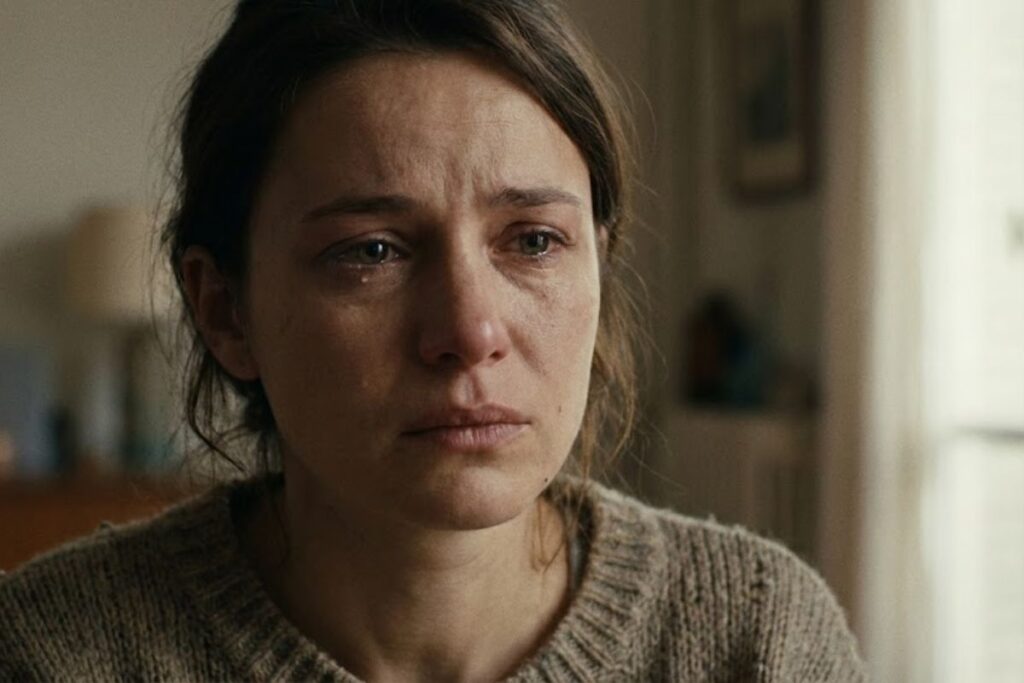
Manon Clavel: the lightning revelation of French cinema
Actress Manon Clavel delivers a performance that will leave a lasting mark on contemporary French cinema. She portrays a Kika who is both fragile and determined in the face of adversity. Her nuanced, restrained performance lends incredible depth to this complex character.
Her performance has already earned her the prestigious Best Actress award at the Brussels International Film Festival. She succeeds in making credible the shift of an ordinary woman towards activities considered marginal by society. Her magnetic presence bursts the screen and literally carries the film on her shoulders.
Alongside Manon Clavel, we find talented actors such as Makita Samba and Bernard Blancan. This cast brings an added authenticity to a story rooted in social reality. Each interaction reinforces the sense of urgency and truth that emanates from the film.
A no-holds-barred dive into the world of sex work
To get by, the heroine begins by selling used underwear before immersing herself in sex work. Alexe Poukine explores BDSM practices and the role of domina with an almost anthropological curiosity. The film features astonishing scenes of fetishism, such as humiliation and adult diaper changing.
Far from any unhealthy voyeurism, the director films these sequences with slapstick humor and great tenderness. She never judges her characters, be they providers or clients seeking care. This approach helps to play down subjects that are often perceived as gloomy or shameful by the general public.
The film approaches sexuality as a space for healing, emotional release and financial survival. It highlights the gray areas where desire and distress intermingle indistinctly. It’s a profound reflection on body ownership and the freedom of self-determination.
Alexe Poukine’s unique style between documentary and fiction
Drawing on her documentary experience, notably with “Sans frapper”, the director infuses her fiction with a raw realism. Her direct, unvarnished look at the precariousness of women’s lives gives the film exceptional impact. The mise en scène favors natural light and tight shots to reinforce intimacy.
Colin Lévêque ‘s cinematography sublimates everyday settings, rendering modest apartments and banal streets poetic. Pierre Desprats’ music accompanies the narrative without ever overpowering it, underlining moments of emotional tension. This blend of styles creates a unique atmosphere, at once dreamlike and deeply rooted in reality.
This first feature film confirmsAlexe Poukine as a major and necessary voice. She succeeds in dealing with the pain of grief with an infectious vital energy. The film is never ponderous, carried along by a steady pace and punchy dialogue.

A passionate and necessary welcome at the Cannes Film Festival
Presented in Critics’ Week at the Cannes 2025 Film Festival, the film provoked passionate reactions. Some critics saw it as a daring and salutary work, while others were taken aback by its frankness. This duality of reception underlines the power of the Belgian director’s subject.
The film was also awarded the Amphora d’Or at the Greenland Film Festival, proof of its irreverent spirit. It is part of a cinematic movement that rejects compromise and soft consensus. Kika is a film that divides, that shocks, but above all that makes you think intensely.
Its theatrical release on November 12, 2025 confirmed the public’s interest in these powerful social themes. The film’s success is undeniable, buoyed by enthusiastic word-of-mouth from viewers. It’s a victory for independent cinema, which dares to approach the margins with respect.
Why this film is essential for today’s feminism
Kika’s feminism is not about theoretical discourse, but about concrete acts of resistance. The heroine refuses to be a passive victim of her grief or her unstable financial situation. She appropriates the codes of domination to regain power over her own existence.
The film explores female independence from a rarely-seen angle, that of resourcefulness and pragmatism. It reminds us that freedom often begins with financial autonomy, even through the back door. Kika is a modern heroine, imperfect but endowed with immense courage in the face of adversity.
By showing the solidarity between sex workers, the story also breaks down many stubborn prejudices. It celebrates sisterhood in the darkest moments of a woman’s life. It’s a vibrant tribute to all those who fight daily for their dignity.