



For decades, Asian masculinity has been hampered by a reductive Western perception. Confined to the figures of the desexualized “Geek”, lacking charisma and emotional depth, or the exotic and dangerous “Villain”, the Asian man has seen his romantic and heroic dimension denied on Western screens. This desexualization, rooted in cultural biases, created an “erased” image that, ironically, did not correspond to the complex and rich reality of male identities in Asia.
However, we are witnessing a cultural revolution with East Asia as the driving force. A new era is being created, which not only frees itself from traditional constraints, but imposes a new global norm. Thanks to the global explosion of Hallyu (the Korean Wave), with its pillars of K-Pop and K-Dramas, Asian masculinity is now a force for cultural and economic influence, redefining appeal, fashion and sensibility.
The K-Pop phenomenon: “Flower Boy” as the new standard of attractiveness
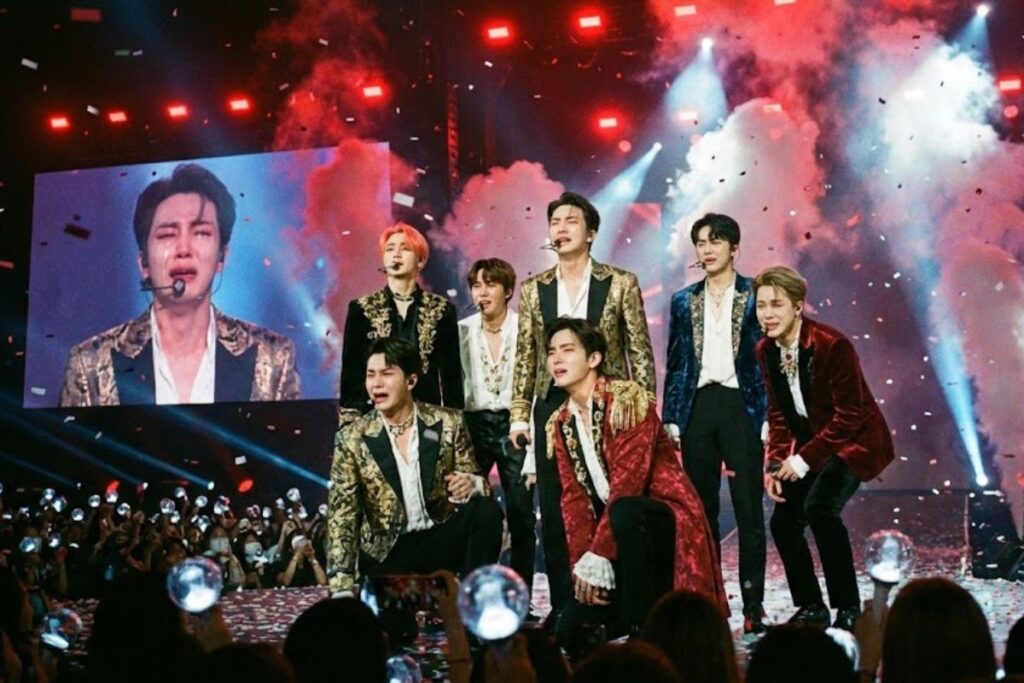
The most dominant change is the advent of the “Flower Boy” (Kkonminam), the embodiment of “Soft Masculinity”. This model, popularized by K-Pop idols and K-Drama actors, has established itself as a powerful archetype, rejecting the austerity of the traditional model and the rigidity of the Western model.
Androgynous beauty: confidence and aesthetic revolution
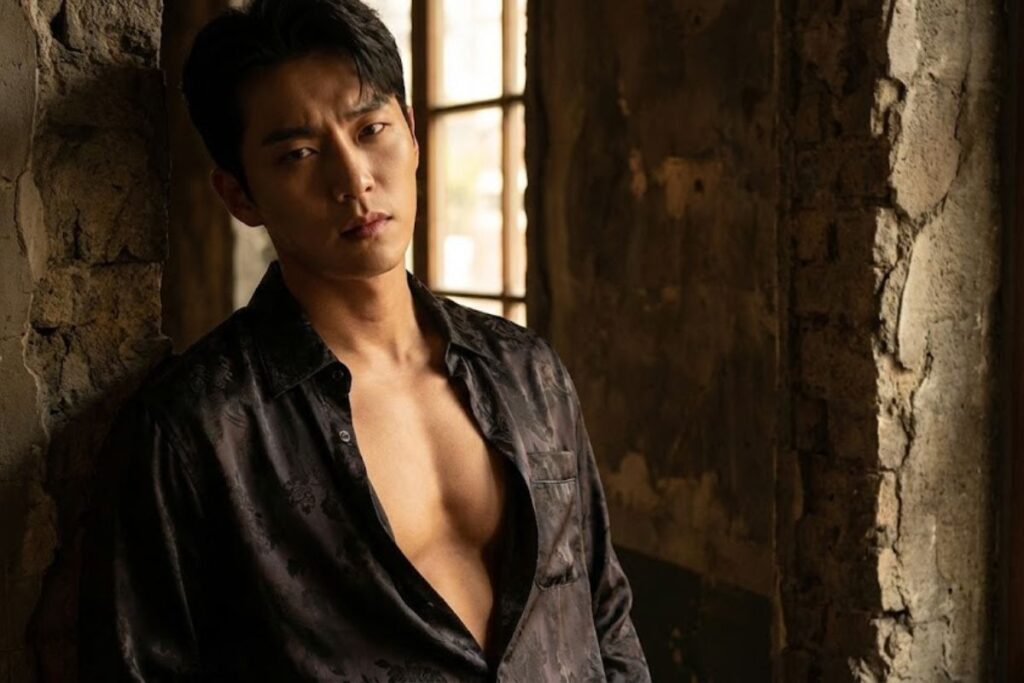
The “Flower Boy” is an aesthetic trendsetter. He is characterized by a meticulous beauty, often described as androgynous. The extreme attention paid to appearance, including skincare, light make-up and sophisticated hairstyles, is no longer perceived as a threat to virility, but as a sign of absolute self-confidence and modernity.
This aesthetic is a significant cultural evolution: it dismantles the rigid binarity of toxic masculinity, where taking care of oneself was synonymous with weakness. Today, the Asian man who assumes his style, sensitivity and aestheticism is universally celebrated. K-Pop idols are global fashion figures, appearing in partnership with the biggest luxury brands, giving this masculinity unprecedented prestige and prescriptive power.
Emotional expression: the charisma of sensitivity
The appeal of the “Flower Boy” is profoundly linked to his emotional intelligence. In the context of stage performances and music videos, emotional expression is not only permitted, but valued. Idols convey a full range of emotions: sadness, passion, vulnerability.
This charisma of sensitivity is a direct counter-model to Western masculinities often perceived as “toxic” or emotionally unavailable. The global public, especially women, find in this figure a refreshing alternative: a strong, talented, stylish man, but also accessible and authentic in his emotions. This figure has become a symbol of desire and sophistication.
K-Dramas: romantic heroism reinvented
If K-Pop established the “Flower Boy” aesthetic, K-Dramas (Korean dramas) consolidated its narrative dominance by breaking Hollywood’s romantic ban.
The complexity of new roles
Thanks to streaming platforms, K-Dramas have introduced millions of viewers to rich, nuanced male archetypes. Actors play lead roles that are not only attractive, but also romantic and complex heroes. They are emotionally intelligent, protective and committed, proving that an Asian man can be the central figure in a narrative of love and action.
This massive success has created a new standard of ideal partner, far removed from outdated clichés. The K-Drama man is a model of devotion and passion, opening up new perspectives for the global image of the Asian man.
The triumph of Hallyu: economic power and influence
It’s crucial to underline the economic power behind this trend. Hallyu is a massive export force. The worldwide success of K-Pop and K-Dramas is not simply a fashion phenomenon; it’s a desired and highly valued cultural product. This success guarantees the continuity and influence of this new masculinity. When K-Pop groups dominate the world rankings and their actors are the faces of international advertising campaigns, it means that Soft Masculinity is the new standard of global appeal.
Traditional roots: the power of responsibility
The modern appeal of Soft Masculinity should not overshadow the intrinsic strength of traditional Asian models.
The man of honor: Determination and devotion
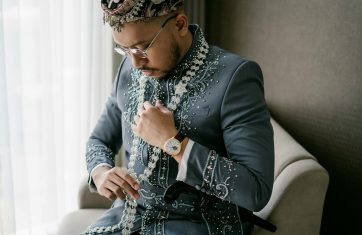
The traditional model of the “Man of Honor”, historically influenced by Confucianism, is based on values of responsibility, endurance and sacrifice for family and community. His virility is defined by his ability to succeed professionally and socially (the example of the Japanese “salaryman” or the Korean student under pressure), not by physical aggression. This determination and devotion to success provides a basis for seriousness and depth.
Modern masculinity is a powerful blend: it inherits this inner strength and performance culture, while injecting it with the emotional and stylistic freedom of K-Pop. It’s the union of traditional reliability and modern aesthetics.
Creating a new global narrative
The impact of this wave of influence is felt far beyond Asia: it decolonizes the Western gaze.
Recent Hollywood successes: the mirror of change
Stereotypes are crumbling under the weight of popularity and box-office success. Where Hollywood once denied the romantic potential of Asian men, the trend is now reversed. Actors such as Simu Liu in superhero roles, Henry Golding in successful romantic comedies, or Steven Yeun in acclaimed dramas, are no longer confined to minor roles. They now embody appeal, leadership and emotional complexity on the biggest stages. Their success is tangible proof that a new narrative is in place, largely propelled by the cultural shift in Hallyu.
Diversity as wealth
It’s important to remember that Asia is a kaleidoscope, not a monolithic block. Expressive and emotional models persist in Southeast Asia (Philippines, Thailand) and India (where Bollywood culture celebrates dramatic and passionate masculinities). This diversity reinforces the message that Asian masculinity is not one, but multiple, offering the public a range of positive and seductive models.
Asian masculinity has gone through a period of reductive clichés, but has emerged stronger and more influential. It has transformed solid cultural heritages and harnessed the power of modern media to create a new global standard. The “Flower Boy” and his counterparts are figures of desire, modernity and sophistication who have rewritten the global scenario of male attractiveness. The era of stereotypes is over; make way for the era of Asian influence, where sensitivity and style are the new attributes of power. It is now essential to recognize the Asian man in all his complexity, as he is actively shaping the future of global masculine culture.