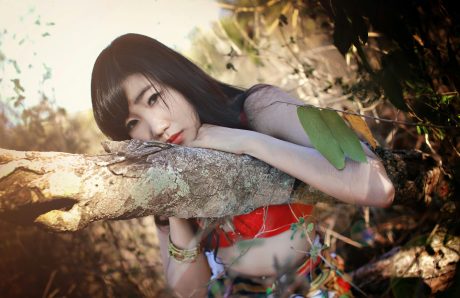



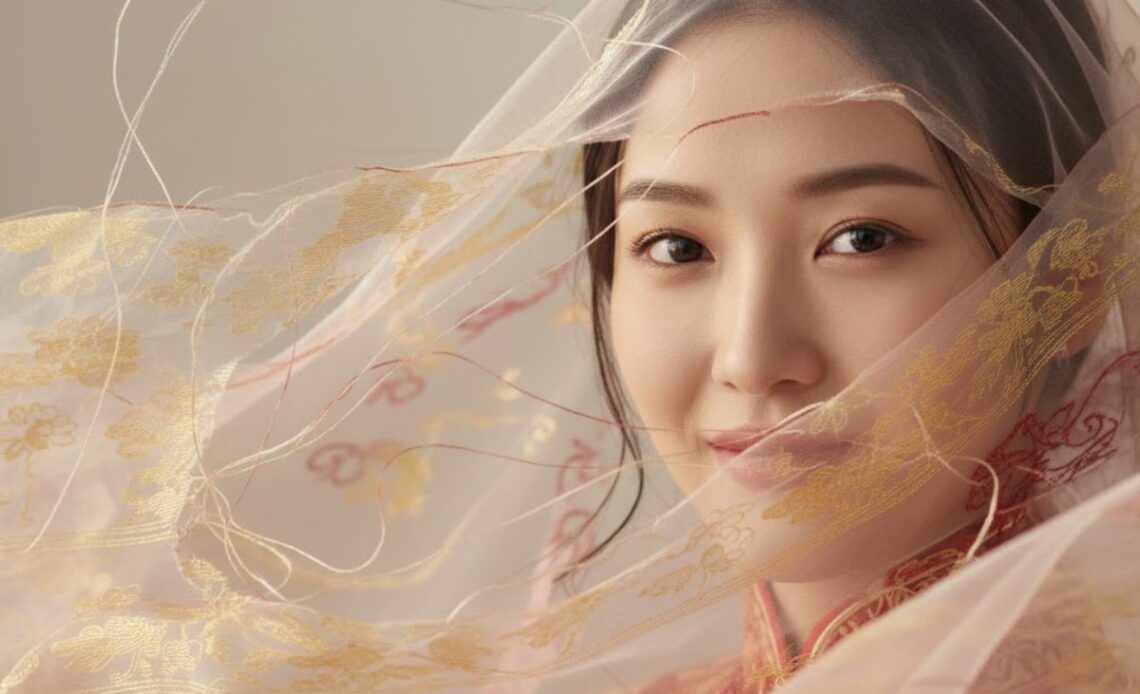
Asian femininity is a subject of fascination and contradiction in the Western imagination. Far from representing the immense diversity of women from over forty nations, this image is often perceived, through the prism of fantasy, through a series of stereotypes. From the idealized, gentle and mysterious figure inherited from Orientalism, to the fatal, calculating and dangerous woman, this view projects silent expectations onto the bodies of Asian women. Even before a word, even before a gesture, desire is already charged with roles they have not chosen.
Fantasy often precedes the encounter. Even before an exchange, even before a real look, desire is already projecting expectations onto the bodies of Asian women. A supposed gentleness, an expected docility, or on the contrary, an exciting dangerousness. The Western gaze doesn’t just see, it anticipates, imagines and demands.
Idealization and stereotyped archetypes
The “Lotus Blossom” archetype (gentleness and submission)
The first archetype is that of the “Lotus Blossom”. This is the image of the Asian woman as fundamentally gentle, obedient, passive and naturally devoted. She embodies an idealized femininity: traditional, undemanding and silent. This image reassures as much as it excites. It promises a relationship without resistance, a desire without conflict, a body that doesn’t contradict. This deeply sexual fantasy is based on the idea that silence is a form of consent.
Indeed, this perception is a legacy of historical Orientalism, popularized by Western works such as Madame Butterfly. For some men, it represents the appeal of a relationship perceived as simple and peaceful, contrasting with the more complex or “challenged” gender dynamics of the West. The Asian woman is then fantasized as the perfect partner, the one who doesn’t challenge authority and whose main role is to look after her partner.
The “Dragon Lady” archetype
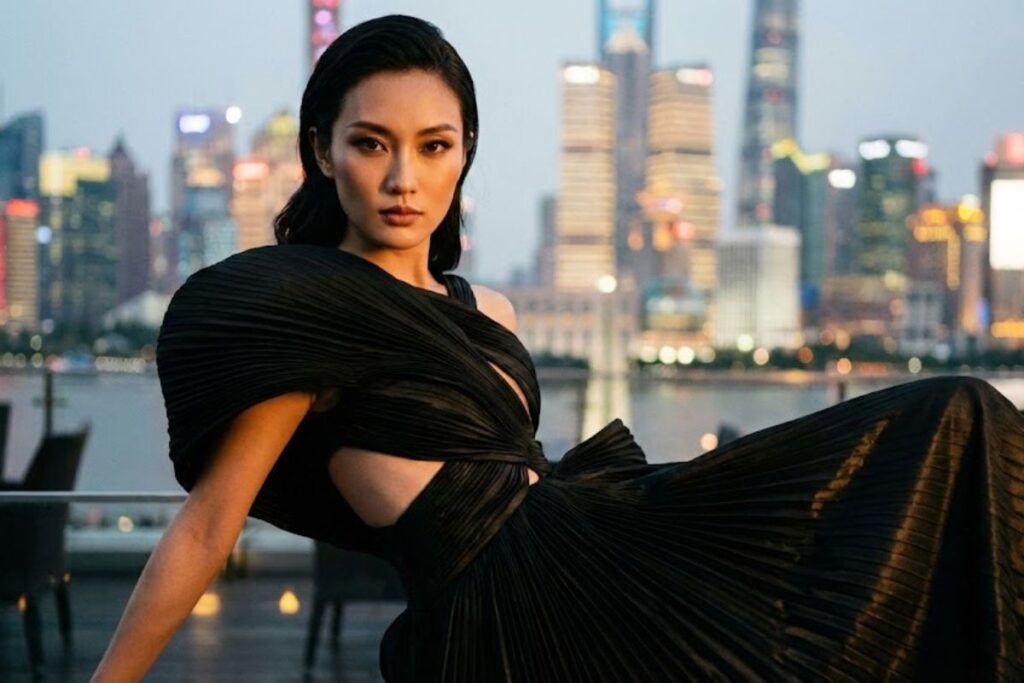
At the opposite end of the spectrum is the archetypal “Dragon Lady”, a seductive yet dangerous figure. This is the femme fatale, manipulative, often hypersexualized, whose beauty conceals malicious intent or great power. This archetype is widespread in action and spy films, where the Asian woman is portrayed as exotic, inaccessible and using her sexuality as a weapon. Here, desire feeds on danger. Sexuality becomes a weapon, seduction a threat. The fantasy is not one of encounter, but of adrenalin. It is desired precisely because it seems inaccessible, excessive and uncontrollable.
Although this figure may claim a certain autonomy, it remains purely a male projection. It reduces the woman to a force of nature, often negative or destructive, while emphasizing that she remains an object of desire. She is the embodiment of a fantasy that combines the allure of the exotic with the thrill of danger.
The binarity trap
These two figures, the Lotus Blossom and the Dragon Lady, constitute a binary trap. Indeed, they are the only two options that the stereotypical imaginary seems to offer. Asian women are thus forced to navigate between being perceived as too submissive or too aggressive. This lack of nuance erases the true complexity of individual identities and personalities, paving the way for reduction.
The appeal of myths and their influence on relationships
This section explores the direct consequence of these clichés: attraction. In this context, a person’s ethnic identity can become the main source of desire.
The lure of exoticism and difference
Attraction to people of East Asian origin is sometimes exclusive, centered on cultural fantasies rather than on the individual. When this attraction is too focused on ethnic characteristics and the stereotypes associated with them, it risks reducing the person to a mere collection of exotic traits. In these dynamics, the challenge for the Asian woman is to navigate between the desire to be seen as an individual in her own right and the reductive perception that this type of attraction can impose. This forces the individual to navigate the relationship with the constant feeling that if she doesn’t match the idealized fantasy (the sweetness of the “Lotus Blossom” or the exoticism of the “Dragon Lady”), she risks being rejected. Her experience, complex opinions and flaws are pushed aside in favor of the role she’s supposed to play.
The influence of modern pop culture
The media play an important role not only in creating stereotypes, but also in adapting and modernizing them for new generations. Although images have evolved, their function remains the same: to reinforce Western and global fantasy.
The role of anime and video games: these widely consumed forms of entertainment often present female figures as idealized, innocent and submissive, or as silent, hypersexualized warriors. These representations, though partly derived from Asian cultures, are often received and interpreted in the West as confirmations of existing binary archetypes.
The rise of k-pop and dramas: Korean pop culture has introduced a new aesthetic, characterized by standardized beauty, often perceived as “pure” or juvenile. These images, focused on performance and control, can be assimilated by the fantasy gaze to the ideal figure, always young and well-groomed, reinforcing the idea of a malleable femininity that always conforms to beauty standards.
The mirror effect of the media: in the final analysis, modern pop culture simply puts a new face on old fantasies. It perpetuates the idea that there is an “Asian” way to be a woman, rather than representing the billions of people who make up the continent.
Consequences and future prospects
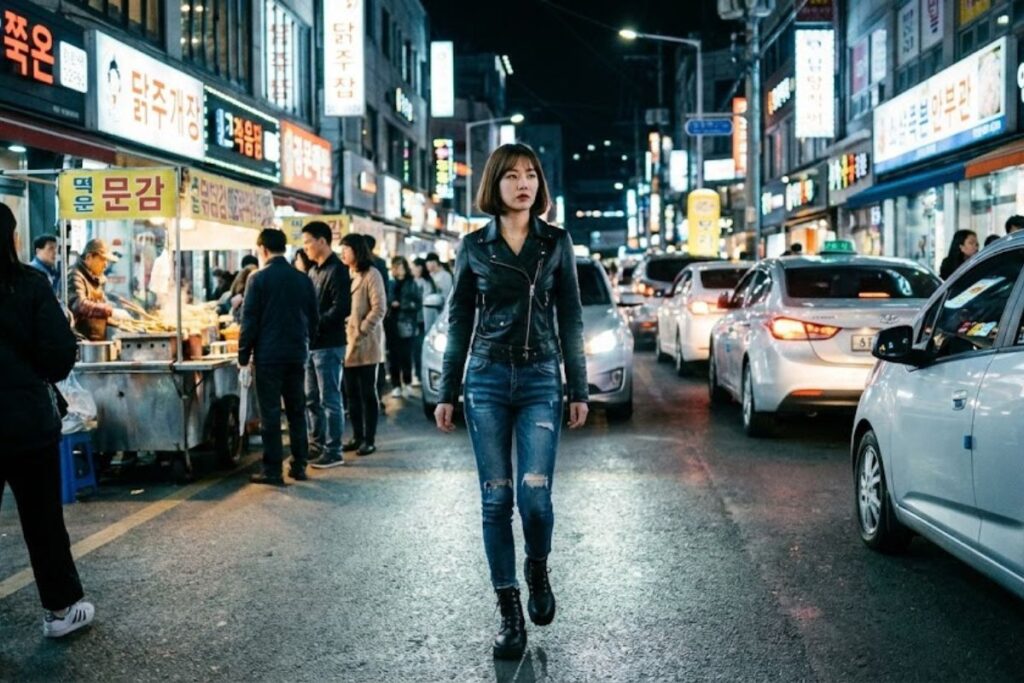
The persistence of stereotypes and the reduction of individuals to fantasies are not simply harmless “preferences”; they have real and often negative consequences on the lives of those concerned.
The weight of expectations
Living under the weight of fantasy often means being desired before being known. The gaze expects performance, conformity, a response to a pre-existing image. When reality doesn’t match the scenario, desire withdraws. This discrepancy creates an intimate fatigue, that of a body constantly being interpreted.
Towards authenticity
For honest representation in the media, while progress has been made with works like Crazy Rich Asians or TV series that feature complex, multidimensional, female, Asian characters (who are neither victims nor stereotypical fighters), we must continue to demand narratives that reflect the heterogeneity of experiences. Audiences need to be exposed to Asian women who are simply human beings, with their own careers, their own voices and their own weaknesses. For those who feel attracted to Asian women, the crucial step is critical examination of one’s own motivations and introspection, to move from fantasy to real relationship.
Fascination with Asian femininity is rooted in historical clichés that pop culture has modernized. The challenge is to go beyond these reductive images, going beyond fantasy to appreciate the person in all her complexity. Going beyond fantasy does not mean renouncing desire, but anchoring it in the reality of a living, complex, unpredictable body. Perhaps this is where an even more troubling form of desire begins: one that accepts not being able to control everything.