


Masculinity in the Arab world rests on pillars such as honor, protection and economic responsibility to the family. Far from being rigid, this identity is expressed through a mosaic of Middle Eastern regional traditions. Traditionally, masculinity was defined by the man’s role as guarantor of the stability of the home.
For a long time, this masculinity was also built on restraint. In a way of standing, looking, containing emotions and desires. The male body, discreet but present, imposed a silent authority. This tension between control and desire, between what is shown and what is kept silent, was already part of the virile imagination.
Today, this classic model is facing profound changes. Rapid urbanization, hyper-connectivity and changing gender roles, marked by the professional emancipation of women. These dynamics are shaking up the definitions of the past and questioning the very essence of the role of provider.
This article explores how the concept of masculinity is being reshaped, giving rise to new expressions of identity.
The cultural foundations of traditional masculinity
Traditional masculinity was structured around cardinal values that determined a man’s social worth and community recognition. These concepts are based on a demanding code of conduct, centered on duty and personal integrity.
Honor, protection and personal dignity
At the heart of masculinity lies a personal ethic of honor. This sharaf (cultural term for honor) is not just an individual quality, but engages the community’s perception of man as a responsible actor. Masculinity is thus less a question of secret identity than of social and moral performance. The man is the one who is entrusted with moral authority in exchange for his total responsibility to support and protect his loved ones. It’s a tacit contract in which authority is subordinated to duty.
This responsibility, long perceived as a burden, was also expressed in intimacy. Being a man meant learning not to give in, not to expose oneself, not to let trouble show. Yet behind this discipline, desire already existed, contained, channeled, sometimes exacerbated by the very silence that surrounded it.
This protection is embodied in constant vigilance to ensure the physical, moral and social integrity of the members of her family circle. It is the duty to protect the Ird (the dignity of women in the broadest sense) that partly defines the dignity of man himself. While the old approach linked any external harm to shame on the lineage, the new interpretation sees this responsibility as a driving force for the ability to act positively in the public sphere and ensure a stable environment. At the same time, man must demonstrate karama (nobility, dignity), which historically manifested itself in unfailing generosity and hospitality, symbols of his nobility of soul and ability to assert constructive social power.
The role of the body and self-control
Virility was also perceived through specific physical and behavioral attributes. The male body was valued not only for its physical strength and resilience – qualities needed for demanding work or to cope with life’s difficulties – but also as the seat of emotional control. In traditional culture, the ideal man is one who betrays neither weakness nor excessive emotion in public. Stoicism and the ability to endure without complaint are seen as hallmarks of maturity and inner strength.
This control of the body and emotions was not an absence of sensuality, but a deferred sensuality. Desire could be read in posture, in the way they occupied space, in their controlled closeness. A virility that seduced not so much through exhibition as through the tension it created.
Moreover, virility is culturally and historically linked to procreative power and fertility. The ability to found and support a large family was synonymous with male success and guaranteed the continuity of the lineage. These expectations place fertility and responsibility for offspring at the heart of masculine identity, underlining the role of the man in anchoring the family in time.
Adapting one’s identity to contemporary changes
Today, thetraditional masculine identity, centered on the figure of the exclusive provider and sole protector, is being recomposed in the face of economic and societal realities that have transformed the foundations of masculine honor and authority. These changes are not a source of decline, but rather a catalyst for modernization.
When these traditional balances begin to crack, it’s not just the social order that wavers, but also male intimacy. Doubt sets in. And with it, a new form of desire, less about domination than about being present, listening and paying attention to others.
The positive redefinition of the role of provider
Economic challenges, such as structural unemployment in many countries, are hitting hard at the old definition of masculine identity. Historically, the role of economic provider was the bedrock of male authority. However, the inability to find stable employment or provide for oneself, far from being a source of frustration, is initiating a positive and profound reflection on the nature of success.
This reality is forcing people to redefine their worth beyond the material prism. It’s forcing them to develop and value other forms of contribution to family and society: mentoring, emotional support, non-monetary skills or community involvement. Professional success is no longer the only measure of virility; it’s now about the ability to adapt, innovate and maintain integrity despite economic constraints.
The emergence of new, balanced partnerships
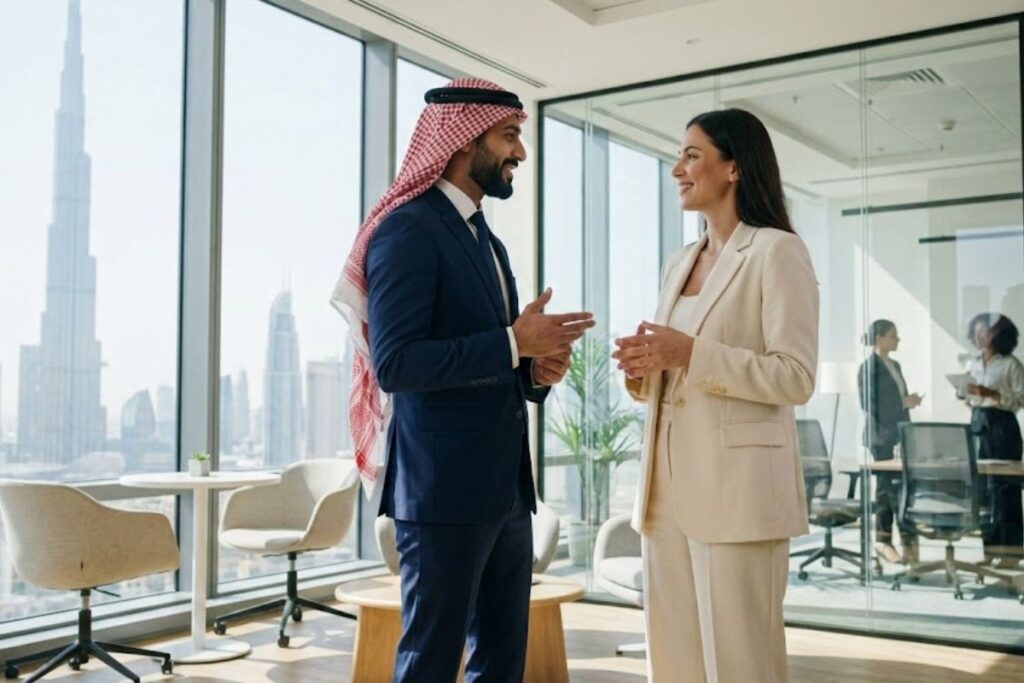
The spectacular rise in women’s educational levels and their successful integration into the job market are positively shaking up the established gender order. When the wife or sister becomes an indispensable financial support, this does not call into question masculinity as such, but rather the rigidity of the traditional hierarchy.
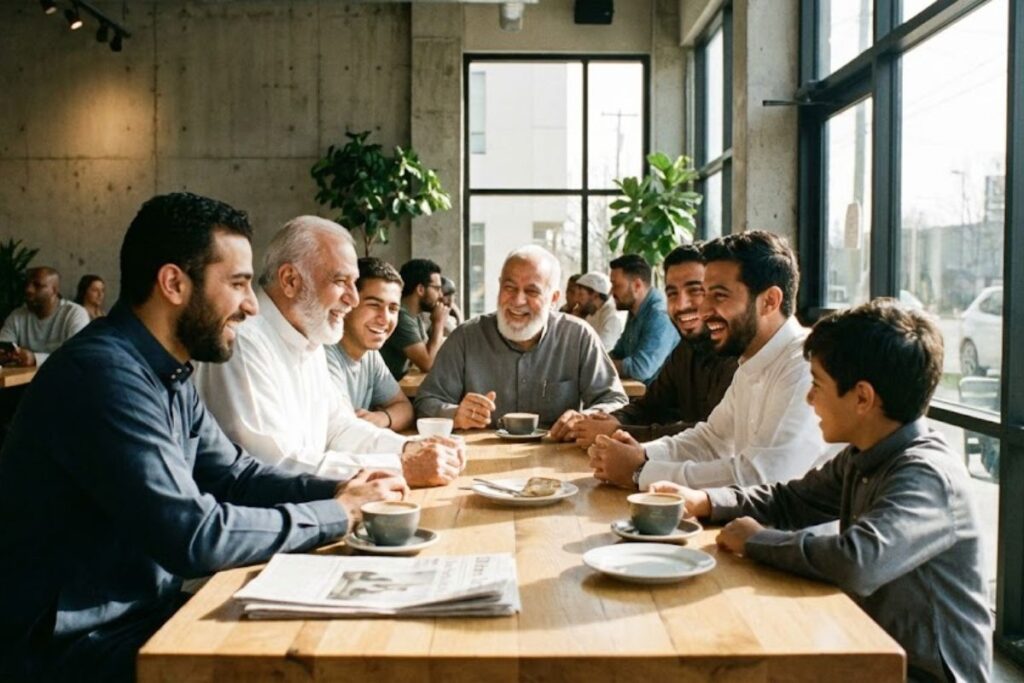
These changes force men to move from a model of dominance to a more equitable, modern model of domestic and conjugal partnership. Negotiation of family space, sharing of household tasks and financial co-decision are becoming the new norm. Masculinity finds new strength in this ability to collaborate, listen and share responsibilities, enriching family life and enabling men to explore dimensions of identity once reserved for women, such as emotional intimacy and parental investment.
In these new balances, the language of seduction changes. It no longer depends solely on position or role, but on the ability to share, to dialogue, to make oneself emotionally available. Desire is born in exchange, in mutual recognition, in a more subtle but deeper tension.
Enrichment through individualization and authenticity
Beyond the domestic sphere, more diverse and nuanced masculine expressions are emerging in cultural and digital spaces, signaling a desire for authenticity and individualization.
Rejection of austerity and self-expression
The development of new aesthetic expressions – ranging from dandyism to greater fluidity of dress – breaks with the austerity and conformism once demanded by the masculine ideal. These trends encourage individualization, allowing men to choose their style and expression without fear of being judged on their manliness. Social media and artistic platforms offer spaces to experiment and celebrate the diversity of tastes and identities.
This new freedom also allows the male body to show itself differently. Less rigid, less locked into a single role. Style, allure and body language become ways of expressing desire. A masculinity that’s more fluid, more conscious, often more disturbing.
Acceptance of male vulnerability is perhaps the most powerful counter-discourse to this transformation. By dismantling the cultural demand for stoicism and unshakeable strength, men are discovering strength in emotional honesty. Being able to show one’s doubts, share one’s fears and express one’s affection is now seen not as a weakness, but as a mark of psychological maturity and authenticity.
Finally, the broadening of the definition of what it means to be a man in contemporary culture enables a broader, more inclusive and tolerant masculine identity, which honors the courage of difference.
Perhaps the strongest eroticism today lies in this masculinity in transition. A masculinity that no longer seeks to prove, but to feel. A masculinity that accepts disorder, uncertainty and sometimes even vulnerability as an integral part of desire.
Definitively, Arab masculinity finds itself at a decisive crossroads, where the tensions between tradition and modernity are generating a profound reinvention. The collapse of the role of exclusive provider in the face of economic realities and the integration of women into the public sphere have forced the historical male model to recompose itself in a constructive way.
Digital spaces, new forms of cultural expression and the desire for authenticity are now driving a transformation that is, in essence, an immense enrichment. This process, though complex and demanding, is leading to the emergence of a more diverse, affective, adaptable and mature masculine identity.