


The narrative on the Arab world has long been simplified, reduced to politics or conflict. Today, a new page is being turned. Numerous Arab celebrities are emerging on global platforms. The central question is, how are these celebrities redefining the image of their culture in the modern era? Using Hollywood, streaming and social networks as levers, their influence is now preponderant. This article will analyze the structuring impact of these Arab icons on global Arab pop culture.
Cinema and platforms: breaking the glass ceiling
For many years, Western filmmakers have cast actors of Arab origin as terrorists or victims. But for some time now, a veritable revolution has been underway: Arab talent is giving itself a new place on the screen.
Actors and actresses in Hollywood
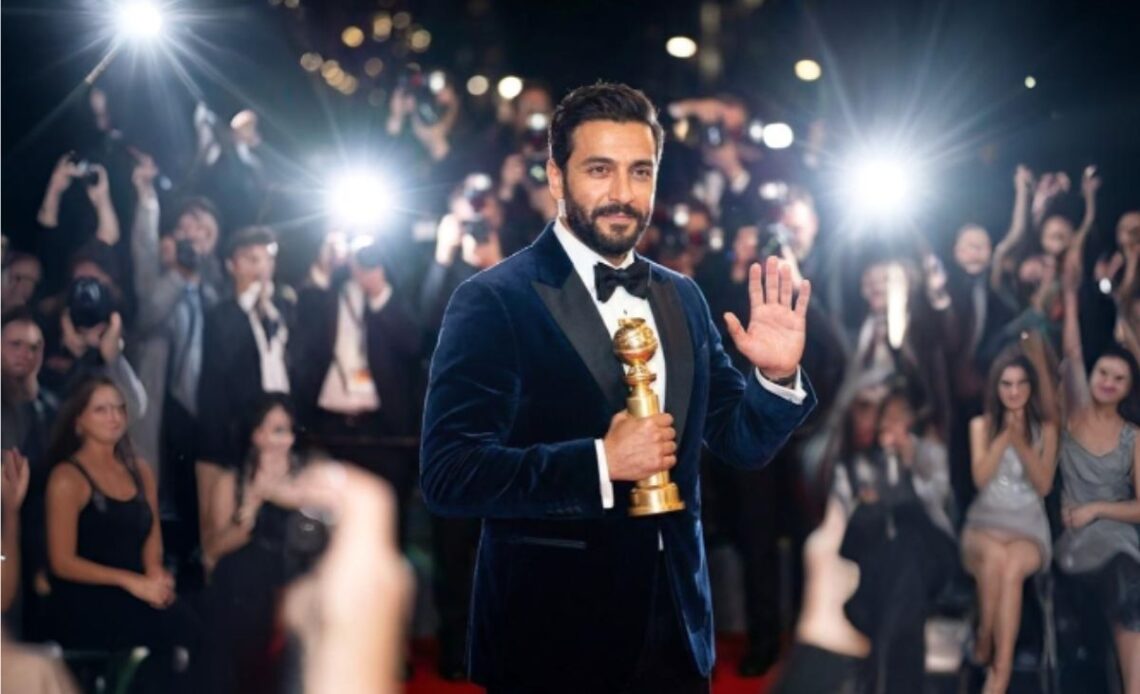
We’re fast approaching the post-stereotype era. As a result, roles are changing. Actors of Arab origin are no longer confined to threatening roles. They represent complex, universal figures. Rami Malek‘s Oscar-winning performance as Freddie Mercury, for example, symbolizes this era, as he triumphs in a universal role. Similarly, Mena Massoud, star of the film Aladdin, and Omar Metwally, who excels in nuanced drama series, demonstrate that talent transcends origins and breaks glass ceilings.
What’s more, these actors manage their fame with mastery. This is the power of identity. They assert their heritage publicly, celebrating their culture in their speeches and sometimes slipping cultural elements into their projects. Their success is a signal that consecrates a plural identity.
The impact of streaming platforms
Streaming platforms are positioning themselves as a major ally for Arab icons. Indeed, Netflix, Amazon Prime and others are actively funding the production of original Arab series and films.
What’s more, these platforms enable the broadcasting of authentic narratives that escape the Western prism. Series such as Jinn (Jordan) or AlRawabi School for Girls (Jordan) illustrate this phenomenon. They tell the story of daily life, social tensions and relationships, presenting contemporary Arab youth in all its complexity, realism and authenticity. This uncensored content significantly deepens global perception.
Music: the rhythm of the Middle East on the world stage
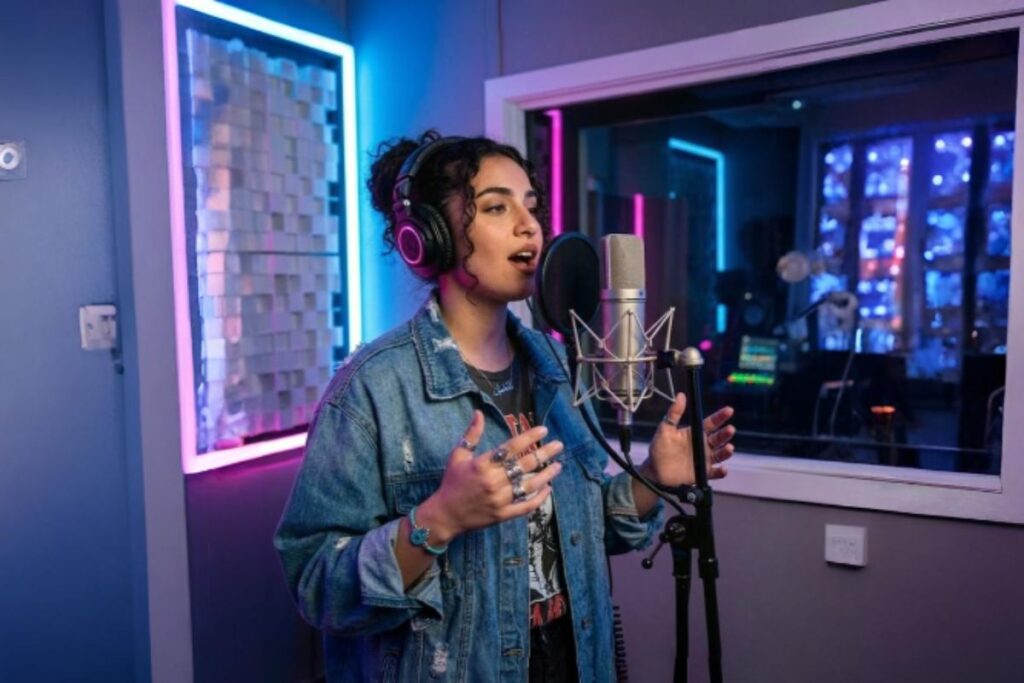
Music is an excellent cultural bridge. Middle Eastern rhythm is present on the world stage, as artists from the diaspora and those from the region easily merge their sounds.
The phenomenon of fusion and diaspora
Arab sounds are becoming part of Global Pop. Dozens of artists from the diaspora are leading this fusion, incorporating oriental melodies and rhythms. Pop, EDM and hip-hop have been enriched by these sounds.
Algerian-bornDJ Snake, for example, uses oriental touches. Moroccan-born French Montana does the same. Their respective successes demonstrate the power of this fusion, which creates a distinctive, instantly recognizable sound. Music thus becomes an immediate agent of soft power.
The Hip-Hop and Urban wave is intense in the Middle East and North Africa. Artists in this zone are appropriating global musical codes, but expressing their art in Arabic or local dialects. Much of their music deals with social ills and represents the voice of Arab youth.
Divas and stars of the Arab world
Some artists are trans-generational icons. Fairouz is a legend in Lebanon, and far beyond. Oum Kalthoum is still called the Egyptian “Star of the East”. These two icons continue to influence modern artists, like Nancy Ajram and Elissa. These Lebanese women dominate regional streaming. Egypt’s Tamer Hosny enjoys a worldwide fan base. As a whole, these artists cross borders. Their art influences the diaspora, as they demonstrate that Arab pop is modern, glamorous and competitive.
New vectors of influence: fashion and social networks
Much more than the screen and the stage, fashion and digital are powerful levers of influence. They shape global trends.
The influence of fashion and beauty
Arab designers and models shine. Lebanese-born Elie Saab and Zuhair Murad are giants in their field. Their creations grace every red carpet; their dresses combine Western glamour with Oriental savoir-faire. These experts carry Arabian luxury and finesse with them around the world.
Such expansion is vital, as it helps redefine beauty standards. What’s more, models like Gigi Hadid and Bella Hadid, of Palestinian origin, are ubiquitous. Their success is helping to normalize Arab features. Their visibility promotes diversity in the beauty industry.
Digital influencers
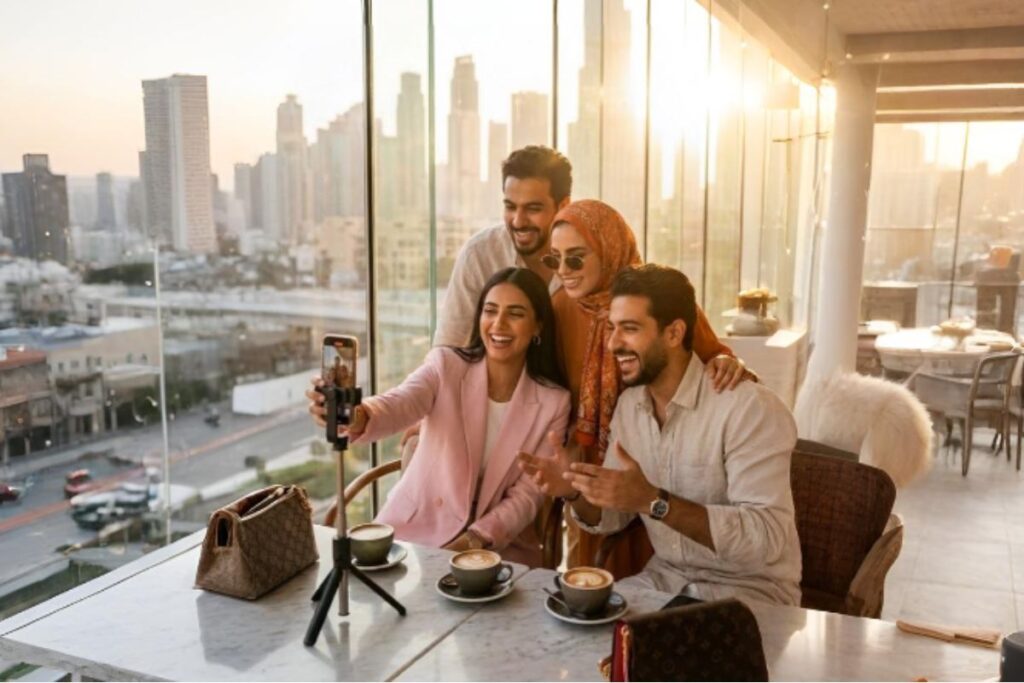
Social networks generate powerful digital soft power. Arab influencers act as new ambassadors, federating global communities on Instagram and TikTok around content on gastronomy, travel and lifestyle.
We’re witnessing a break with clichés. Content creators are magnifying their traditions, dances, cuisine or even fashion, presenting them from a resolutely modern angle. This type of content contrasts sharply with traditional Western representations, which are often pessimistic. Influencers are therefore spontaneous and effective cultural mediators.
Today, Arab icons represent essential cultural bridges. They enhance the image of the Arab world, transforming it from a stereotype to a source of fascination and influence. This success, although it may seem personal, acts as a motor for social and cultural change. It fosters a positive representation essential to the younger Arab generations. Although challenges persist, Arab pop culture is asserting itself and taking its rightful place at the center of the global scene, showcasing its richness, talent and complexity.